
The Walk That Is Not Exercise
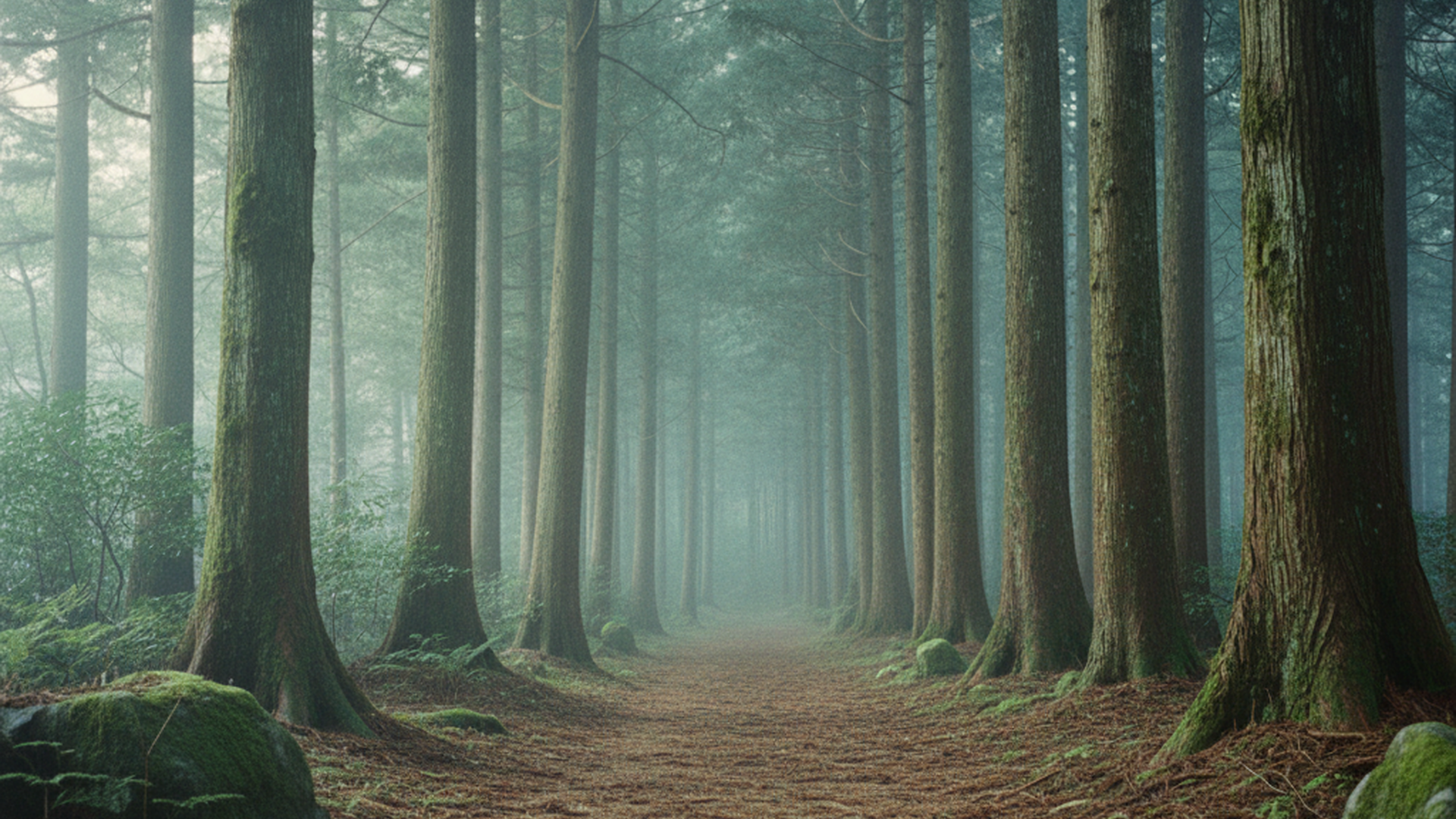
Shinrin-Yoku is prescribed by doctors in Japan as preventive medicine. The term was coined by the Japanese Ministry of Agriculture, Forestry and Fisheries in 1982, and formal research has since documented measurable drops in cortisol, reductions in blood pressure, and improvements in natural killer cell activity after as little as a two-hour walk through a forest. The effects persist for up to a week.
This is, by any normal measure, a significant medical intervention. A drug with these results would be a headline. Yet the practice itself has no active ingredient, no dosage, no schedule, and no goal. It is, in almost every sense, the opposite of what Western wellness culture has been selling under the same name.
—
The Problem With Forest Bathing
Shinrin-Yoku has been imported into Western wellness as forest bathing. The English phrase has a gentle ring, which is part of the problem. Western forest bathing tends to arrive with a programme. An app. A breathing sequence. A guided audio track. A goal of mindfulness, measured in minutes of practice.
This is the importer's error. Shinrin-Yoku has no programme. It is not mindfulness. It is not yoga outdoors. It is not a moving meditation. It is the simple practice of being among trees, with no task, for long enough that the body notices.
The Japanese research is clear on the active mechanism. It is not the walking. It is not the breathing technique. It is not the intention. It is the phytoncides, volatile organic compounds released by trees, combined with the absence of cognitive load that a forest permits. The body is not doing anything. The body is being allowed to stop.
—
The Distinction Between Walking and Walking
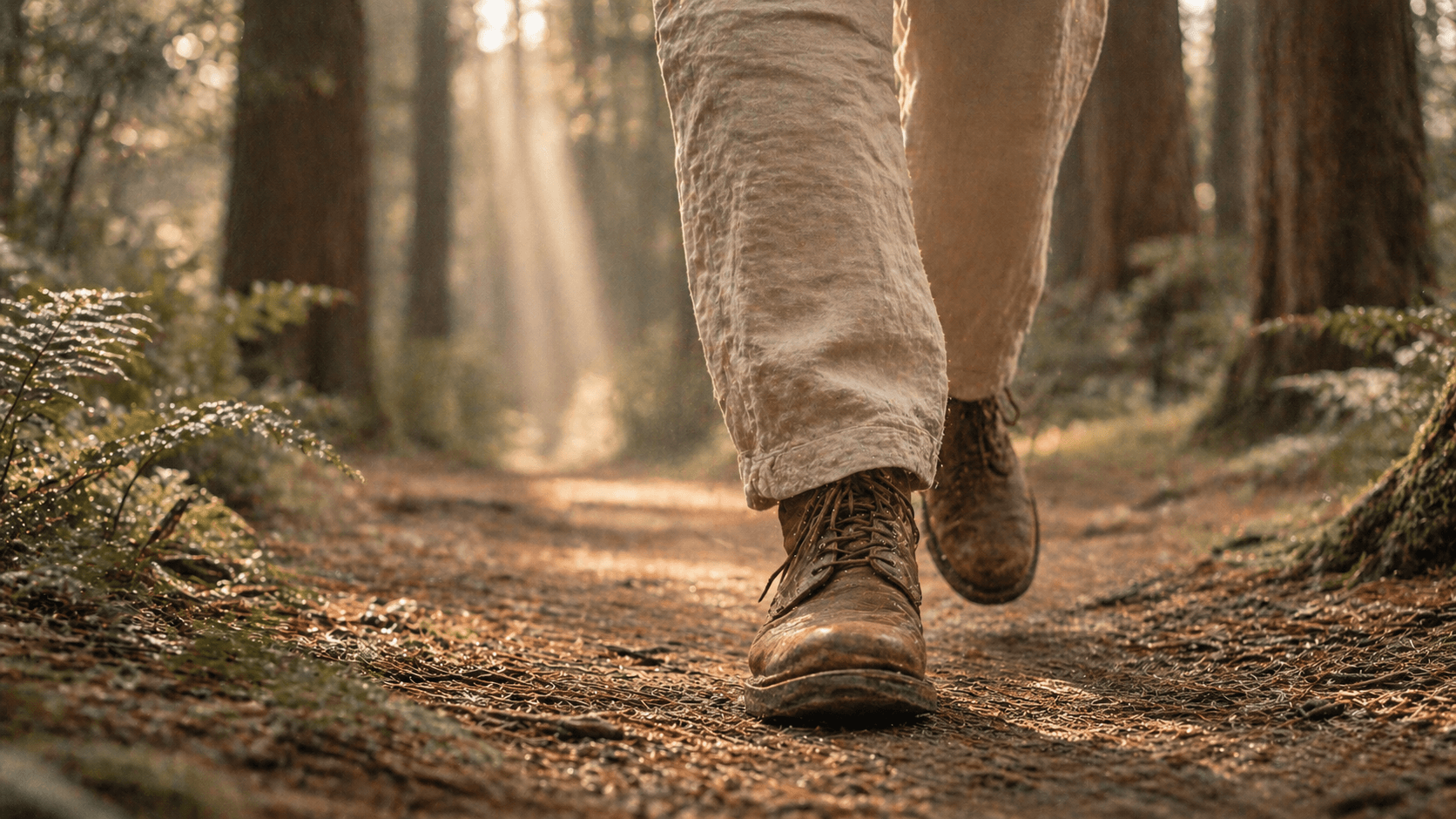
One kind of walk is exercise. Heart rate up, steps counted, route planned, return time tracked. The body is being deployed. The mind is supervising.
The other kind is not exercise. Slow, unscheduled, without a destination. No music in the ears. No podcast. No step goal. The walk in a Japanese forest that a doctor might prescribe is this second kind. Shinrin-Yoku translates more accurately as taking in the forest atmosphere. The walking is incidental. The being there is the point.
This is harder than it sounds, for most of us. An unstructured hour in a forest is an hour without metrics, without productivity, without optimisation. For a mind trained on all three, it can feel almost uncomfortable. That discomfort, the research suggests, is the precise thing that needs to dissolve for the medical benefits to land.
'The walking is incidental. The being there is the point.'
—
Why It Belongs in Travel
Most holidays, by the time they are booked, have already been scheduled. Excursions lined up. Restaurants reserved. Photo opportunities identified. This is not a criticism. It is what planning a trip looks like. But it does mean that the Shinrin-Yoku quality, the quality of being somewhere without a plan for what to do there, has to be consciously designed in.
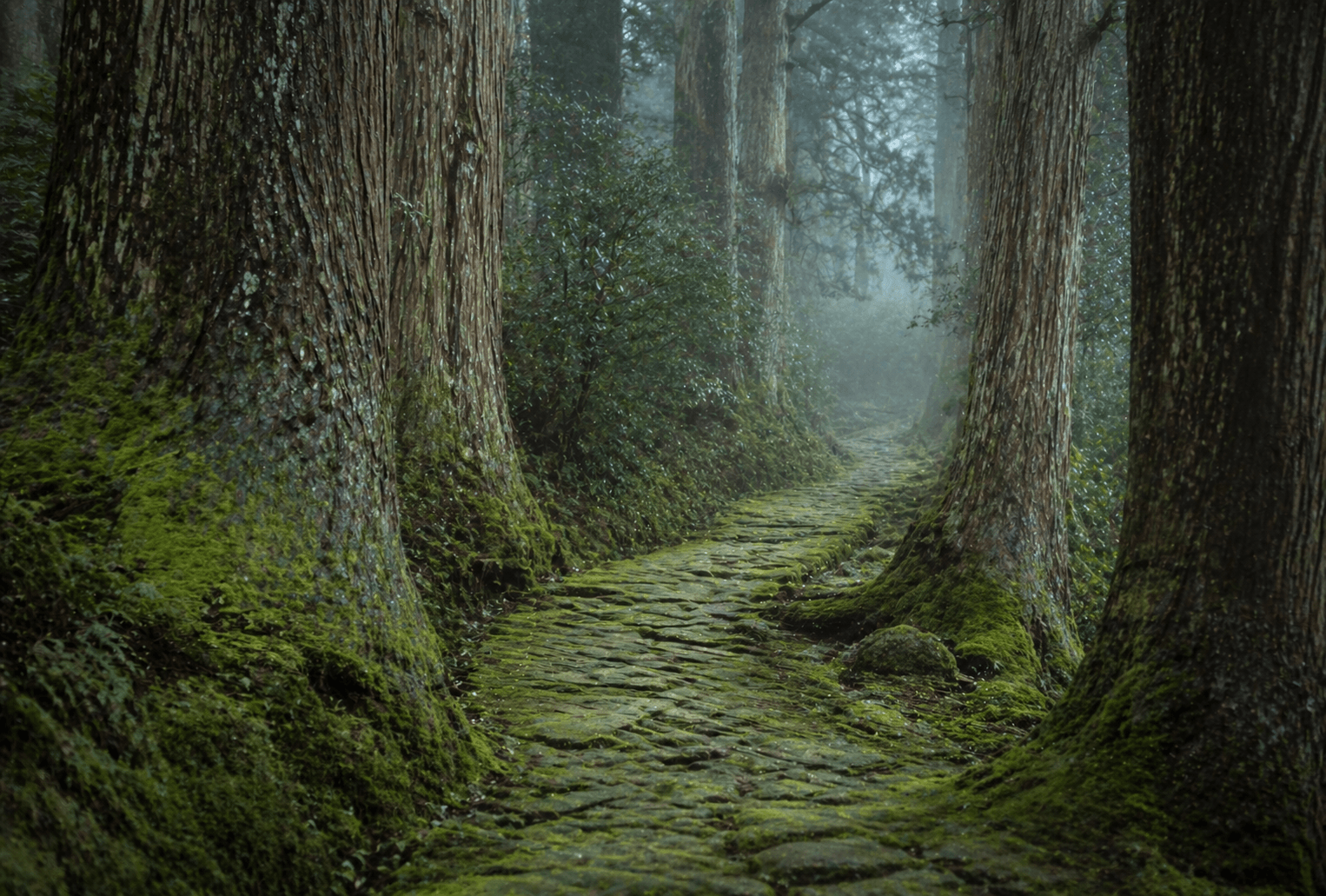
Japan makes this easier than almost anywhere. The Kumano Kodo pilgrimage trails wind through thousand-year-old cedars and villages that have not changed their pace in generations. Yakushima, the island off the southern coast, is ninety percent forest and moves at the speed of moss. The hills around Nara and Kyoto, accessible on foot within twenty minutes of leaving the city, hold the kind of dense cool silence the research is about.
A trip to Japan that includes even one genuinely unscheduled afternoon in this kind of landscape does something different to a trip that does not. Clients rarely remember which shrines they photographed. They remember the walk where nothing happened.
—
On the 30th
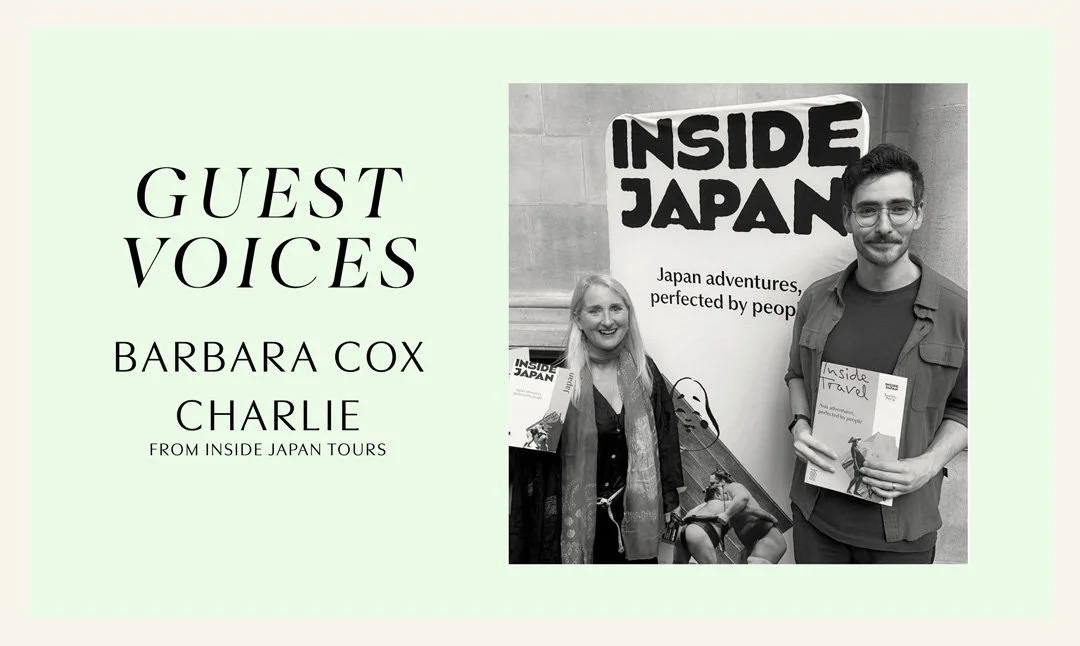
Shinrin-Yoku is one of the six longevity rituals Barbara Cox will discuss at the Japanese Supper Club on Thursday 30th April. Alongside Charlie from InsideJapan Tours, whose company can build a Japan itinerary around the forest-walking regions that matter, the evening explores how Japan has been practising for centuries what Western wellness is only beginning to understand.
Come find us at No.82.