
The Italy You Cannot Book Online
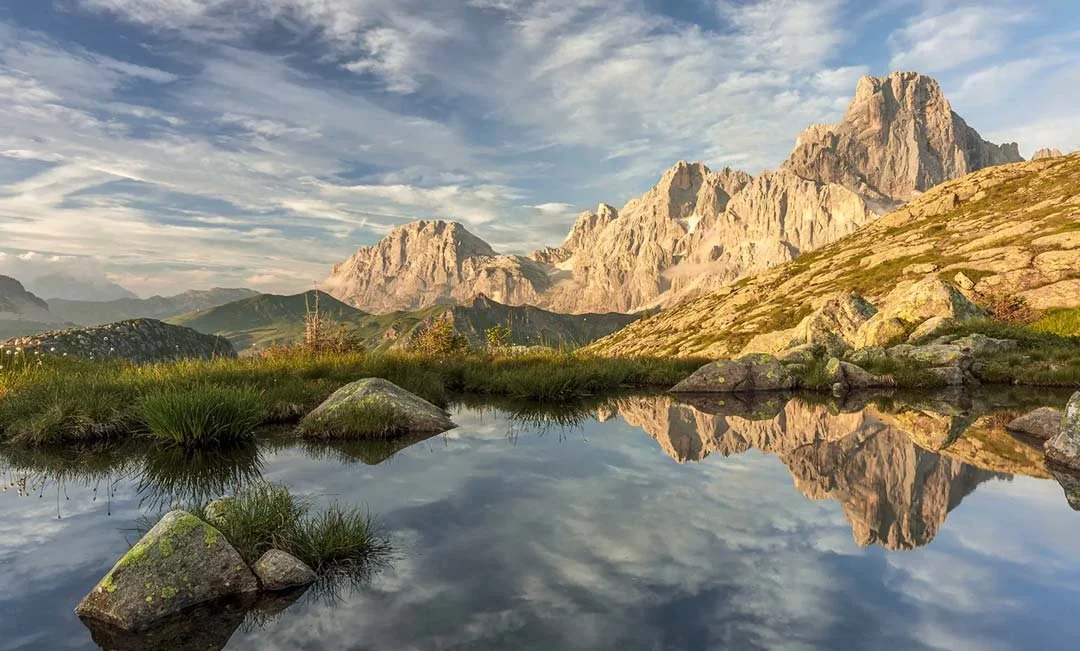
Daniele Broccoli has been selling Italy for forty-two years. Forty-two years of fam trips, hotel inspections, dinners with owners, drives between regions the major platforms have never bothered to map.
He started in a small Peterborough shop in 1984, with a calculator, a map of Italy on the wall, and a sign in the window offering eighty-pound flights to Rome. The shop sold tickets to Italian families flying home. It became, over time, Typically Holidays... a tailor-made specialist now in its forty-first year, working exclusively with travel agents, and AITO-accredited.
Some careers earn the right to a curated list.
We have been thinking about what it means to inherit a portfolio rather than build one from scratch. To stay with hotels long enough that the family who owns them know your children's names. To know which Lake Como property suits the client who wants to be seen, and which one suits the client who would rather not. The major booking sites flatten Italy into stars and amenities. The kind of curation that comes from forty-two years of watching does something different. It picks out the rooms that face a particular view in a particular light, and the hotels that have not changed because they did not need to.
Daniele is hosting the inaugural Agent Nouveau Italian Lunch Club at No.82 on Tuesday 12 May. Ahead of the lunch, here are five of the hotels that sit at the heart of his collection. These are the properties he sends his most considered clients to, and the ones that, between them, describe a particular kind of Italian luxury. Quiet. Heritage-led. Earned.
—
Miramonti, the Dolomites
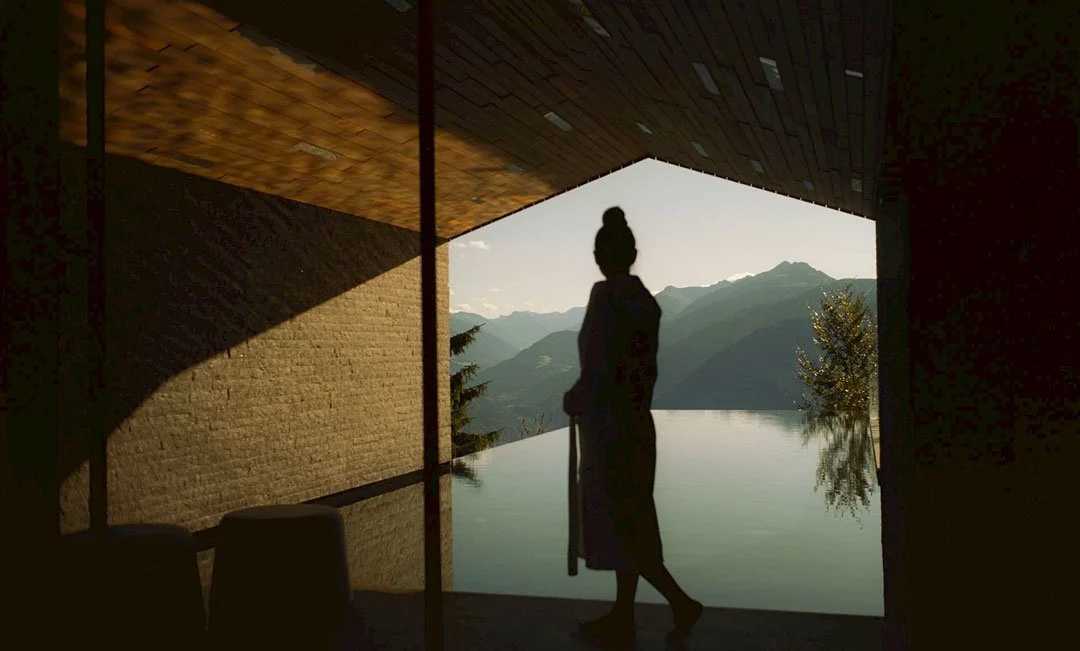
High above the valleys of South Tyrol, Miramonti behaves less like a hotel and more like a quiet pause in the mountains. Glass, timber, and clean alpine lines frame what may be the most striking view in northern Italy. A horizon made entirely of peaks and sky.
The hotel's signature is its glass-fronted infinity pool, suspended above the landscape and finished so the water meets the mountains without an obvious edge. Wellness sits at the centre of the experience: a spa designed to dissolve the noise that brought the guest there in the first place, and interiors that never compete with what lies beyond the windows.
Miramonti is luxury expressed through stillness rather than excess. It suits the client who wants altitude, air, and room to think.
—
Lake Como: Villa Serbelloni and Tremezzo
Lake Como holds two answers to the same question.
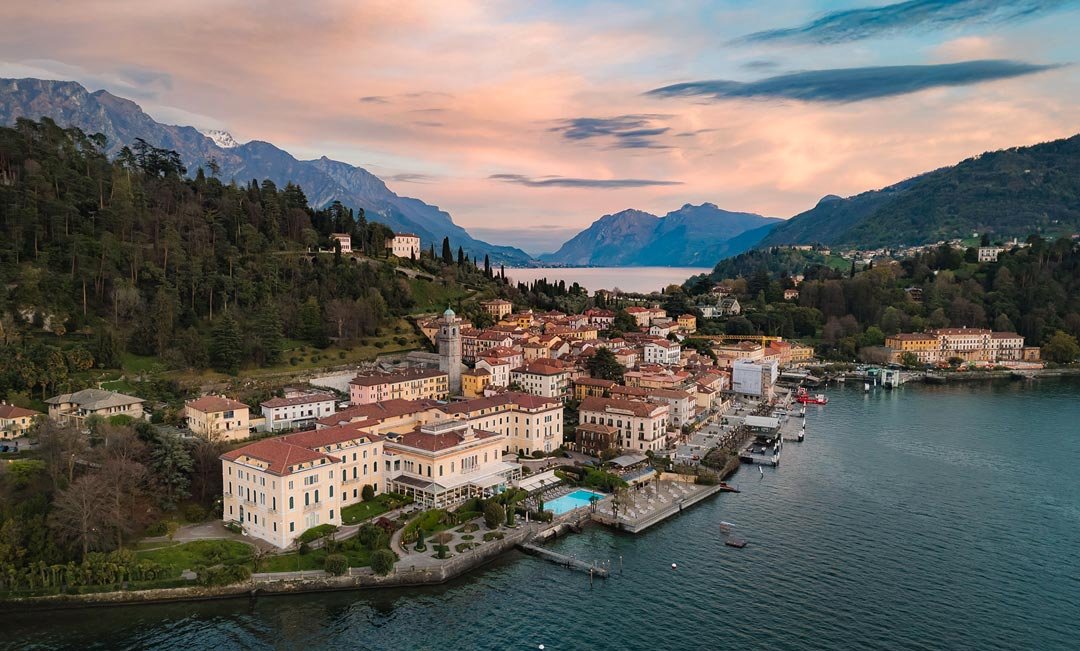
Grand Hotel Villa Serbelloni sits on the tip of Bellagio, where the two arms of the lake meet. Once a private aristocratic residence, it still feels more like a grand home than a hotel... frescoed ceilings, sweeping staircases, and lake views that have defined Italian glamour for generations. Afternoons unfold slowly. Boats glide past the terrace, gardens soften into the water, and everything moves at its own deliberate pace. Villa Serbelloni is heritage at its most established. The clients who arrive here are not surprised by it. They are returning to it.
Grand Hotel Tremezzo is the other answer. Bright, confident, and unmistakably iconic, it sits directly on the water with its famous floating pool appearing to drift onto the lake itself. Inside, it is rich colour, layered textures, and a sense of occasion that feels deliberate rather than nostalgic. Where Serbelloni is heritage, Tremezzo is theatre. Both work. They simply work for different evenings.
'The kind of curation that comes from forty-two years of watching does something different. It picks out the rooms that face a particular view in a particular light.'
A travel specialist who knows both can match the property to the temperament of the client, not the other way around. This is what experience earns: the right to choose between two excellent answers, and the knowledge of which one suits.
—
Grand Hotel Fasano, Lake Garda
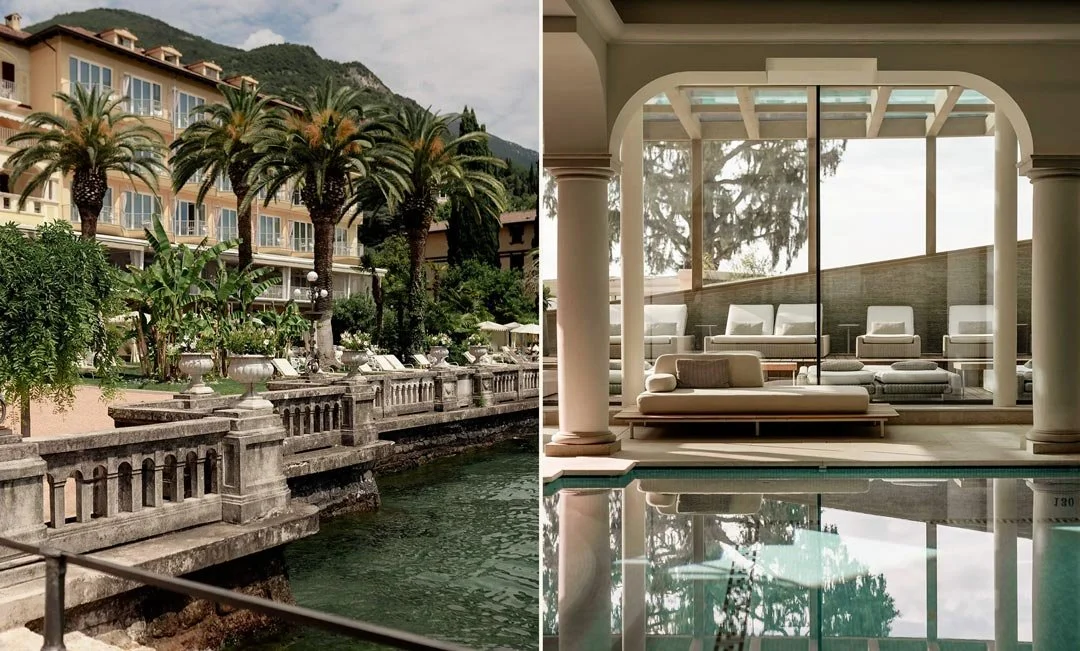
On the quieter western shore of Lake Garda, Grand Hotel Fasano offers a more understated expression of Italian lakeside luxury. Less in the spotlight than Como, less performative... and, for some clients, a better fit.
There is a softness to the property. Historic architecture paired with a calm, contemporary rhythm that never feels forced. The spa and wellness spaces sit naturally within the setting, rather than announcing themselves. Dining leans into regional simplicity done exceptionally well, with a kitchen that has earned recognition without becoming the only reason to visit.
Fasano is the choice for clients who want refinement without theatre. The lakeside without the rush. It is a hotel that does not need to introduce itself.
—
La Foce, Tuscany
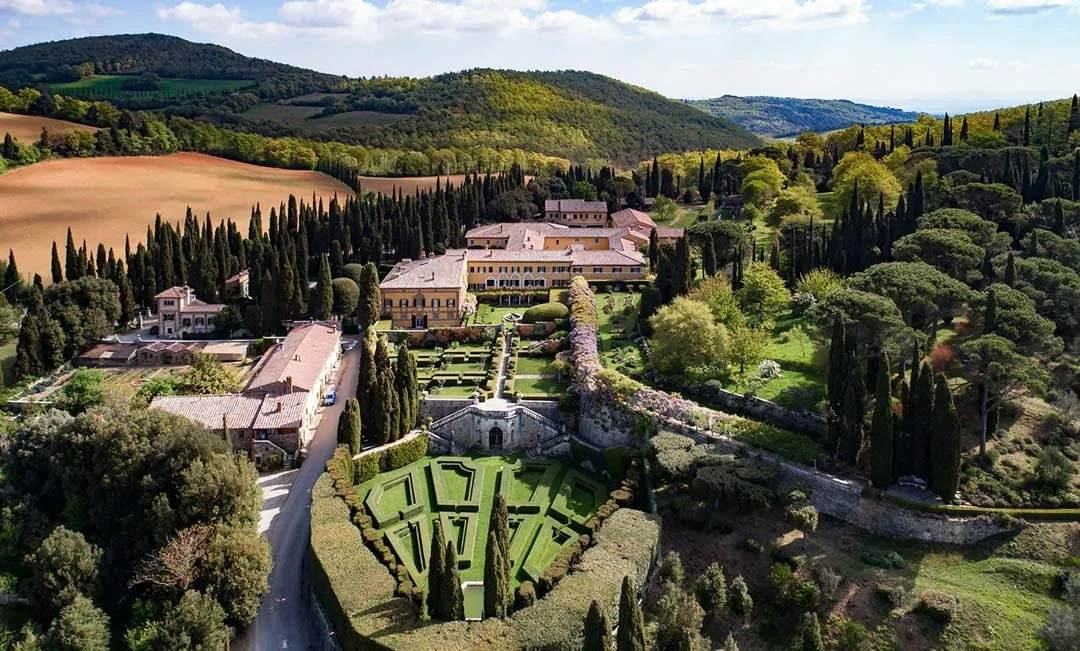
In the heart of Val d'Orcia, La Foce brings a different kind of luxury altogether. Landscape-led living. Rolling hills, Renaissance gardens, cypress-lined roads, and a silence that feels almost physical.
The estate is less hotel and more immersion. Wine, food, and time itself slow down here in ways that feel restorative rather than scheduled. The gardens, designed in the early twentieth century by the English architect Cecil Pinsent, are among the most photographed in Tuscany... and look exactly the same from the terrace as they do in the books.
This is a property for clients who do not want to do anything in particular. The point is to be there.
'Tuscany at its most authentic is never rushed.'
—
What Connects Them
Five hotels, five regions, one philosophy. None of them appear on the major booking platforms in any meaningful way. None of them sell themselves on amenity lists. Each is privately owned or heritage-led, and each is the property a specialist would point a client toward if the brief was for something more than a stay.
This is the Italy that does not show up in a search bar. It shows up in conversations with someone who has been watching for forty-two years.
Daniele will be at No.82 on Tuesday 12 May, hosting the inaugural Italian Lunch Club. Wine, deli, and the kind of stories that only come from a working life of building Italy holidays for a living. Ten seats, in great company.
Come find us at No.82.