
The Wine Became the Reason
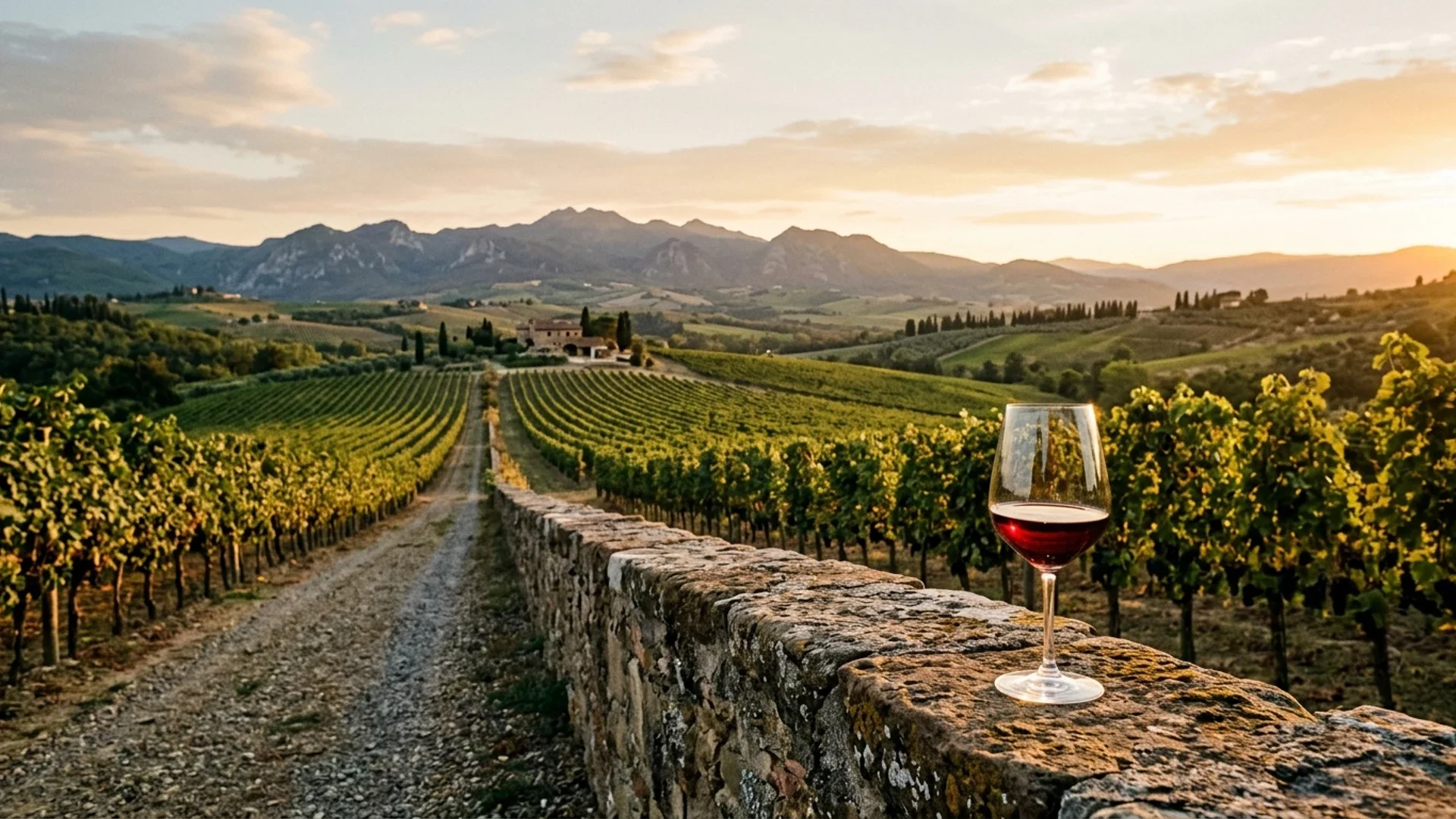
Global wine tourism is now a sector worth around fifty-one billion dollars a year. That figure comes from Grand View Research, and like all numbers this large it sits at the wide end of a range, because some counts measure only the cellar door and others fold in the dinners, the rooms, and the days spent in the valley around them. The wider count is the honest one. It tells you where the money actually goes.
We have been watching the shape of that spending change. For a long time, wine was a stop on a holiday. A morning out from the city, a tasting on a schedule, a case posted home, a clock running over the whole thing. What the figures now describe is something else. The wine, the valley and the table have become the reason for the journey, not a stop along it.
—
What the Numbers Are Saying
Wine tourism now accounts for roughly a quarter of global winery revenue. That is the detail worth sitting with. The estates that pay attention are no longer in the business of selling bottles to people passing through. They are building the visit itself, because the visit is where the value has moved.
The luxury end of the market reads the same way. Virtuoso, whose advisors plan for travellers much like the ones who come to see us, reported this year that dining has crossed over from a perk to a pillar of the trip. Their word for what clients now want was vineyard crawls, edging out the formal tasting menu. People are not asking to fit wine into a holiday. They are asking to build one around it.
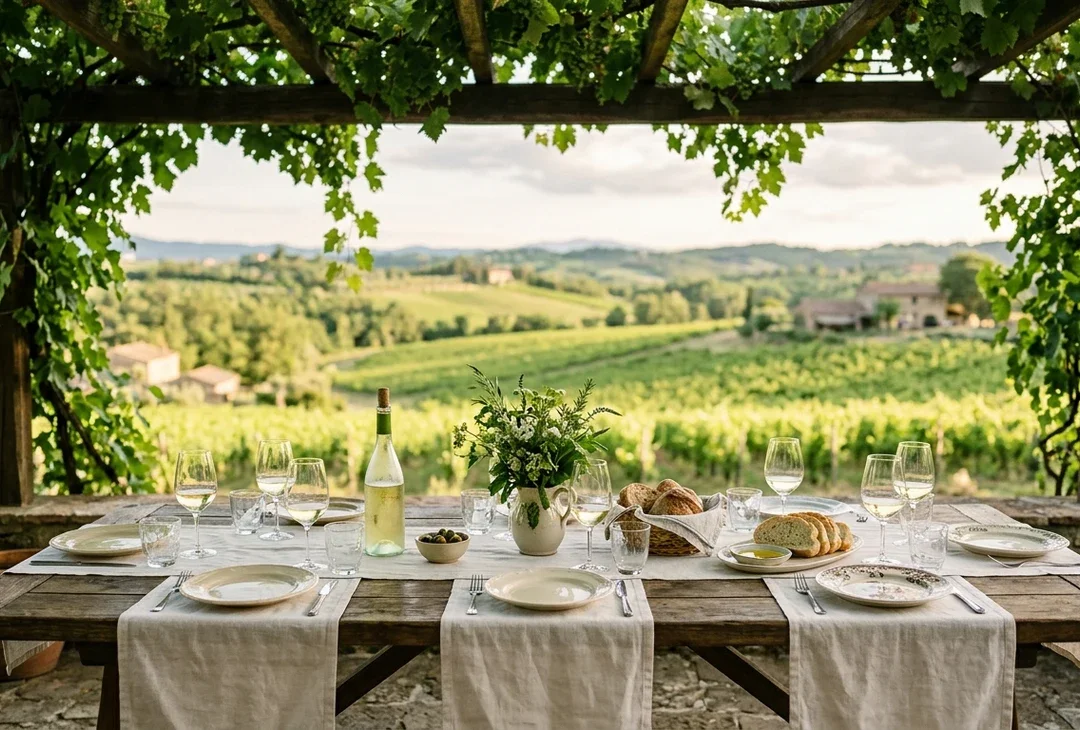
'The wine, the valley and the table have become the reason for the journey, not a stop along it.'
—
The Considered Version
This is the version of wine travel we have always quietly preferred, and the numbers have caught up with it. The day trip extracts. The stay restores. One runs a clock over the table and a designated driver who cannot taste a thing. The other gives the valley enough hours to register, lets a lunch run its natural length, and asks nothing of the afternoon afterwards.
It does not have to be a famous region to work. It does have to be given time. The shift the data describes is, underneath, a shift in pace, and pace is the thing we plan for.
—
Where It Lands
In South Africa, wine tourism contributed 9.3 billion rand to the economy and made up around seventeen per cent of the wine industry's turnover. Six Cape vineyards sit in the world's fifty best. The valleys an hour east of Cape Town, around Stellenbosch and Franschhoek, are built for exactly the kind of travel the figures are pointing towards. They run on long lunches and late light, and they fall outside the European summer, which is its own quiet argument for going.
That is the thread we are following through June. The wine became the reason. We think it always should have been.
Come find us at No.82.
hello@agentnouveau.com