
The Grape That Belongs Nowhere Else
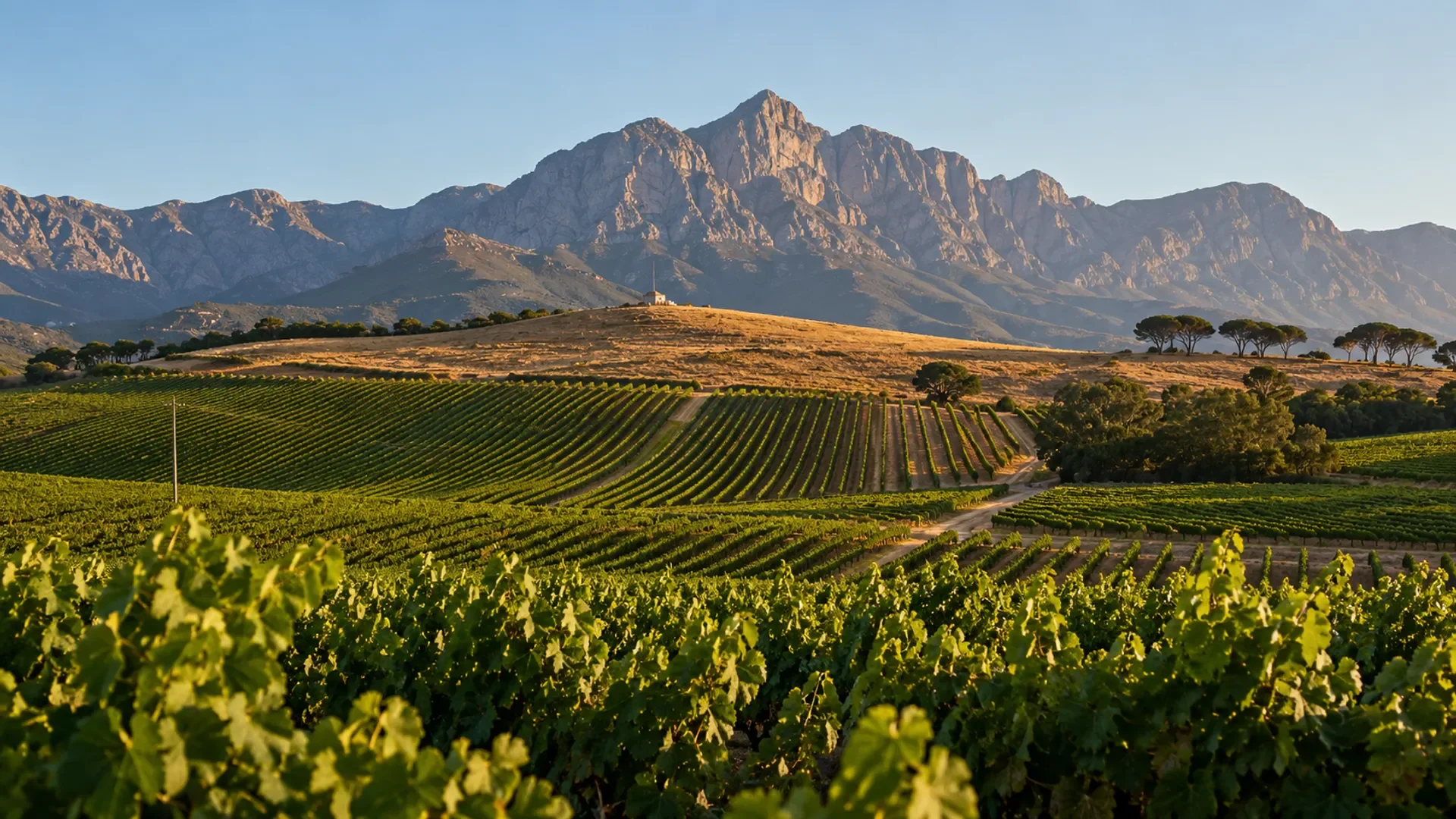
The first wine at the Cape was pressed on the second of February, 1659. We know the date because the man responsible wrote it down, in a diary, in the plain relief of someone who had been waiting. Jan van Riebeeck had planted vines four years earlier on behalf of the Dutch East India Company, a victualling stop for ships rounding the bottom of Africa, and his entry that day reads more like a prayer than a record. South Africa is one of the few wine countries that can name the morning it began.
We have been thinking about that long start lately, and about how rarely it gets the credit. The Cape is often filed under New World wine, shelved beside regions a fraction of its age, and sold on price. That framing misses almost everything that makes it interesting. This is a wine country with three and a half centuries behind it, two grapes that belong to it in a way few regions can claim, and a confidence, lately, that it has earned the slow way.
—
The Long Start
Within a generation of that first pressing the Cape was making wine the world wanted. In 1685 the governor Simon van der Stel laid out an estate below the mountain at Constantia, and the sweet wine that came off it travelled. It reached the courts of Europe and the cellars of kings, and was named, much later, by the wine writer Hugh Johnson, as the first New World wine to win real international acclaim. Napoleon is said to have drunk it in exile. Jane Austen put it in a novel.
That is not the biography of an upstart. It is the biography of a region that was taken seriously a hundred years before most of the famous New World names had planted a single vine. The Cape forgot this about itself for a while, through the long middle of the twentieth century, when it was cut off from much of the world and learned to make a great deal of wine cheaply. The reputation that grew in those years has been slow to fade. The history it obscured never went anywhere.
'South Africa is one of the few wine countries that can name the morning it began.'
—
The White That Made It Home
If one grape carries the Cape it is Chenin Blanc, though for most of its life there it answered to another name. Steen, they called it, and they planted more of it than anything else without quite knowing what it was. The vines were not confidently identified as French Chenin Blanc until 1965. By then the Cape had been growing it for three hundred years and had made it, in every sense that matters, its own.
It is still the most planted grape in the country, close to a fifth of everything in the ground. More than half of all the Chenin Blanc in the world grows in South Africa, more than in the Loire valley where it began. The Cape did not borrow this grape so much as adopt it and raise it as its own, and the wine it makes there is unlike the wine it makes anywhere else. Bright and quietly serious in the cool sites, broad and golden and sun-warmed in the old bush vines. A white with range, and with a sense of place that took centuries to settle.
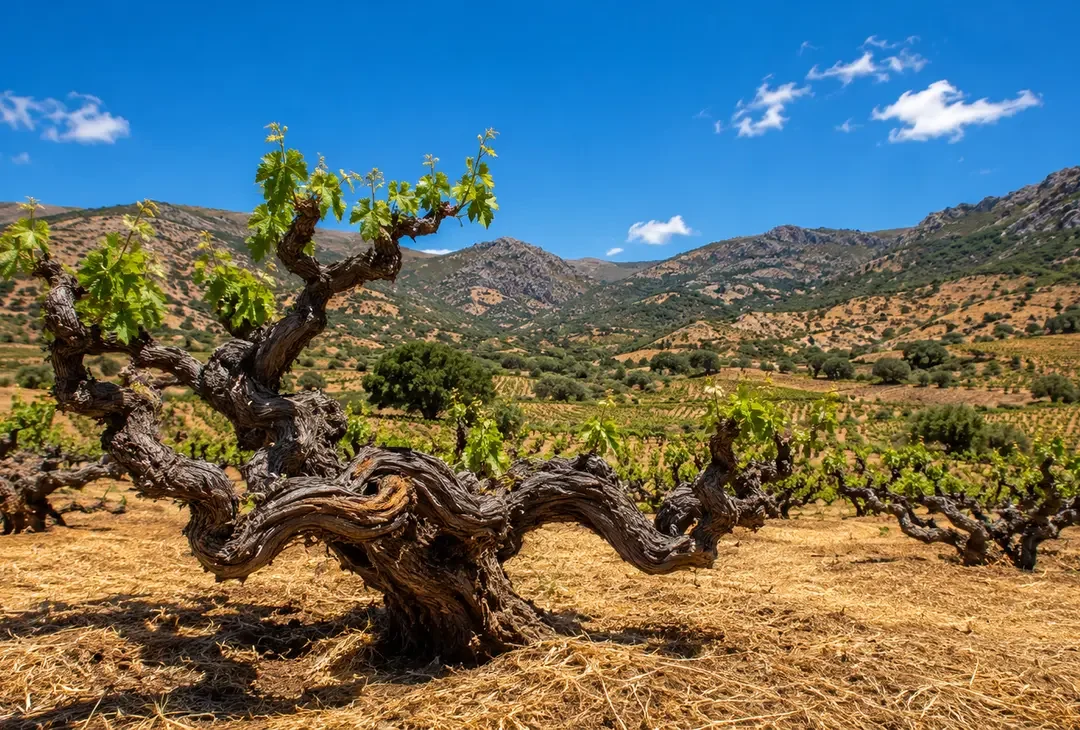
'The Cape did not borrow this grape so much as adopt it and raise it as its own.'
—
The One That Exists Nowhere Else
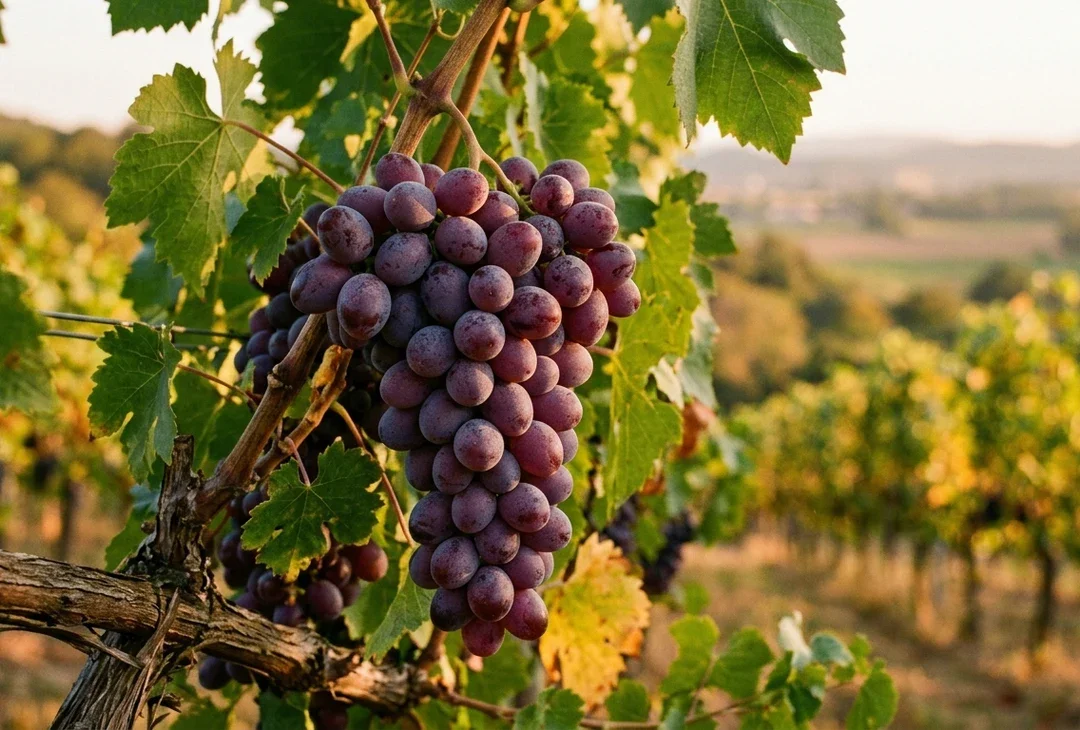
The red is a different kind of story, because it did not arrive at the Cape at all. It was made there. In 1925 a professor at Stellenbosch named Abraham Perold crossed Pinot Noir with Cinsaut, looking for the elegance of the one and the hardiness of the other, and planted four seeds in the garden of his university house. He very nearly lost them. The seedlings were rescued from a clearance by a young lecturer who happened to be passing, and from those rescued vines came Pinotage, a grape that grows seriously almost nowhere on earth but here.
It has not always been easy to love. Pinotage asked to be understood, and for a long time it was made in ways that did it no favours, which gave it a reputation it has spent decades outrunning. The first bottle to carry the name reached the market at the end of the 1950s, under the Lanzerac label, and won the country's top wine award. The grape has been argued over ever since. That argument is part of the point. No one argues about a wine with no character. The Cape has a red that belongs to it completely, the way few countries can say of any grape, and the best of it now is very good indeed.
—
The New Confidence
The most interesting thing about Cape wine is not its past but the way it has lately made peace with it. A generation of younger growers went looking, not for new ground, but for old. They found vineyards that had been quietly producing for half a century and more, gnarled and low-yielding and overlooked, and they began to bottle them on their own terms.
In 2016 that instinct became a project. The Old Vine Project now certifies vineyards of thirty-five years and older, with a seal that names the year the vines went into the ground. It is the only scheme of its kind anywhere in the world, and it has done something quietly radical. It has changed what the Cape is known for, from how cheaply it can make wine to how long it has been making it well. The history and the confidence, in the end, turn out to be the same thing.
'No one argues about a wine with no character.'
—
At the Table
Wine like this wants a table, and a long evening, and people who are not in a hurry. That is the form it was made for, and it is the form we keep returning to at the boutique. There is a particular pleasure in pouring something from a place people think they know, and watching them realise they do not. A Chenin with three centuries in it. A red that exists nowhere else on earth. A region that was being toasted in Europe before half the wine world had planted a vine.
We are planning an evening around exactly this, later in the month, and we will say more when the table is set. For now it is enough to make the case. The Cape is not the cheap shelf. It is one of the oldest, strangest, most characterful wine countries there is, and it is worth taking seriously. Come hungry, and curious. The rest tends to look after itself.
Come find us at No.82.
hello@agentnouveau.com