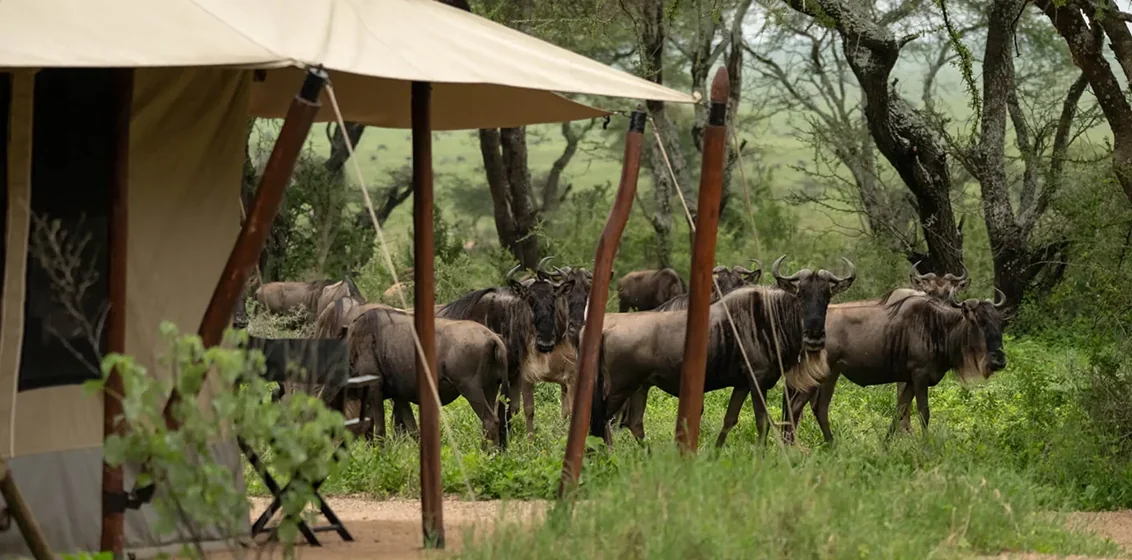
The Safari That Comes With a Hotel Brand
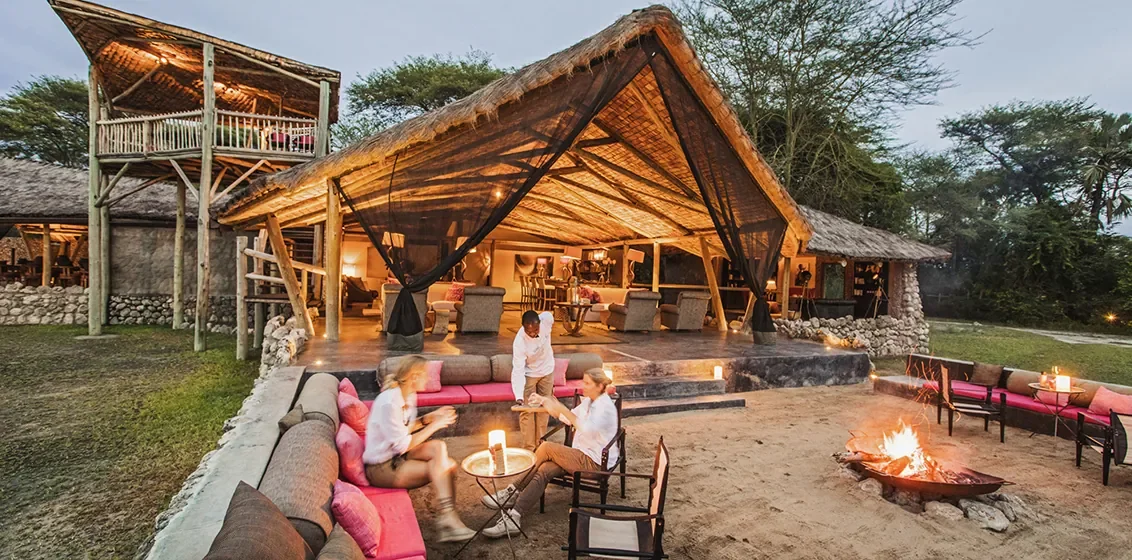
Auberge Resorts Collection will operate nine safari lodges and camps across Tanzania from this year. The brand best known for Calistoga Ranch, Hôtel du Cap-Eden-Roc, and Domaine de Manville has brought two established East African operators — Legendary Expeditions and Chem Chem Safari — under a single platform called Auberge Safari. The portfolio spans roughly 600,000 acres of protected wildlife area in Tanzania's northern circuit.
What used to be a clear divide between hotel collections and safari operators has been quietly closing for a decade. Auberge entering at this scale brings the question to the surface.
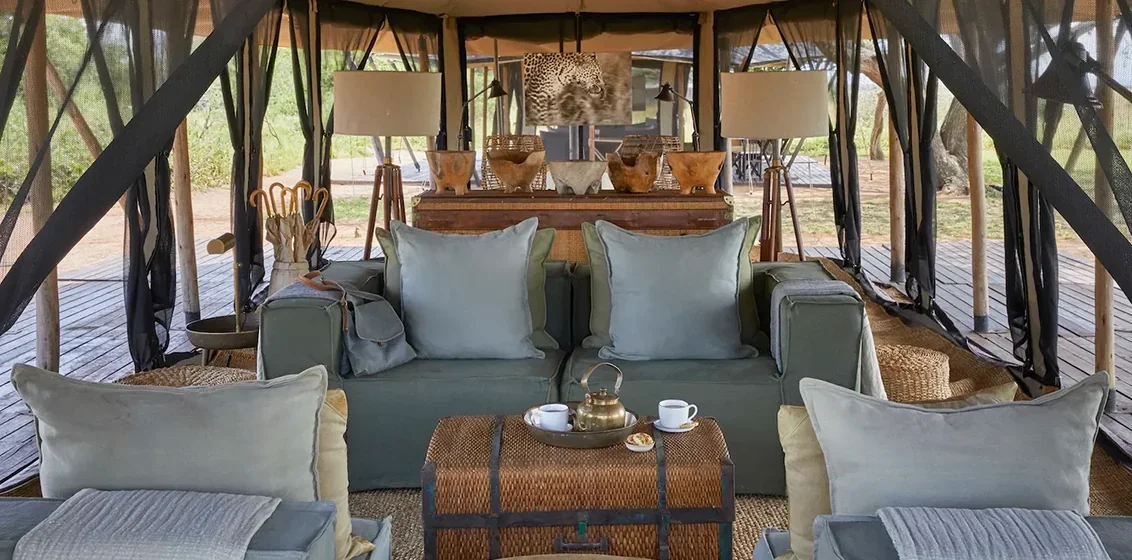
The properties named in the launch are not new builds. They are existing lodges with established names — Mwiba Lodge, Legendary Lodge, Chem Chem Lodge, Little Chem Chem — now operating under one umbrella. Locations include the Greater Mwiba Protected Wildlife Area, Lake Manyara, Arusha, and the Serengeti.
This matters because it shifts what the booking question becomes. A client looking at Tanzania in 2027 is no longer choosing between a hotel and a safari camp. They are increasingly choosing between hotel collections that happen to operate safari, and dedicated safari companies whose work has, for years, run to a different standard altogether.
'The line was always a useful one — hotel groups did hotels, safari operators did safari'
— What changes for the traveller —
The line was always a useful one. Hotel groups did hotels. Safari operators did safari. The skill sets sat in different places, and the bookings were structured accordingly — a hotel concierge for the hotel days, a safari specialist for the wilderness days, and a competent agent in the middle who knew where each ended.
That separation is collapsing. Belmond bought into Botswana with Eagle Island and Khwai River. Singita built itself a hotel-grade safari category from scratch. Aman has been circling Africa for years. Auberge entering with nine properties on day one is the most decisive of these moves so far, and Tanzania is not an incidental choice — it is the country whose northern circuit is most associated with the Great Migration, the most internationally recognised safari product in Africa.
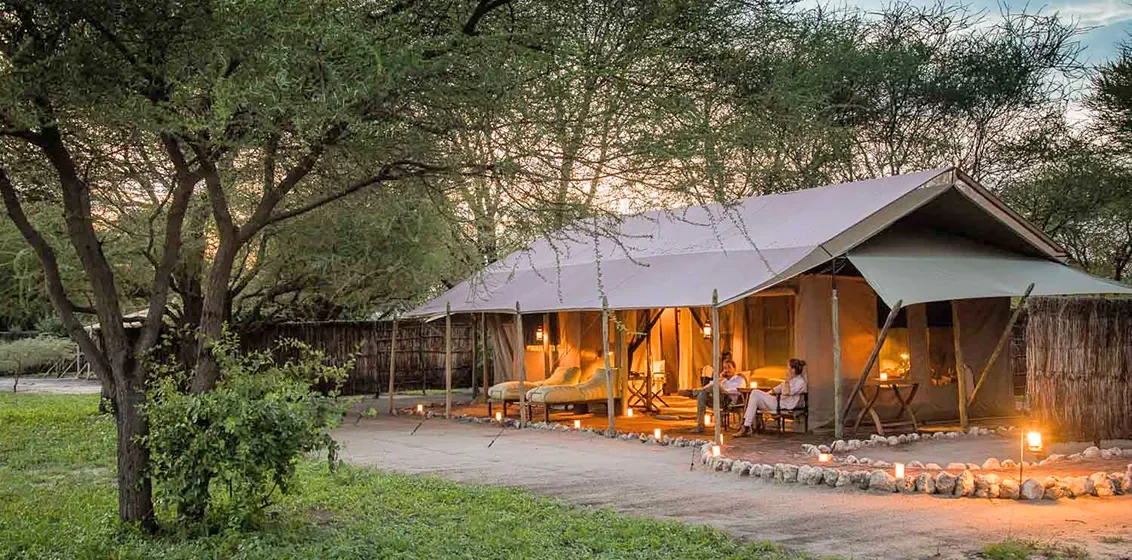
The traveller benefits in the obvious ways. A familiar service register. Predictable design language. A single point of accountability for a multi-camp itinerary. Auberge Safari is being marketed as an integrated multi-camp experience, the language of a hotel collection rather than a traditional safari operator's family-style ethos.
— What the agent listens for —
The change in vocabulary is the part to listen for. A client asking "is this safari like the ones we've been on before" is asking a more interesting question than they realise. The honest answer in 2027 is: it depends what was on the door.
Conservation funding remains central. Auberge Safari stays will support the Friedkin Conservation Fund and the Chem Chem Association. The Friedkin Group is the parent company of Auberge Collection and has been operating in Tanzanian conservation for years. This is not a hotel brand discovering safari. It is a hotel brand being assembled from operators who were already there.
'The hotel brand on the door now signals what the experience will feel like'
— The pattern emerging —
Place this alongside the other moves of the last eighteen months — Auberge here, the continued expansion of Aman into wilderness destinations, the major hotel groups acquiring or partnering with established camps — and the picture is a luxury hospitality category absorbing what used to be a separate trade.
The implication is that "safari" as a clean noun is doing less work than it used to. The real question for the planning conversation is which collection, with which standards, in which ecosystem, with which conservation partnership. The hotel brand on the door now signals what the experience will feel like in a way it would not have done five years ago.
For us at No.82, this is the kind of category change that does not announce itself in a single booking. It surfaces in repeat clients asking different questions, in itineraries we now build without thinking of "hotel days" and "safari days" as separate trades, and in the supplier conversations that quietly went a different direction in late 2025.
Tanzania in 2027 will be more bookable than it has been in years. It will also be a different conversation than it was in 2024.