
The Safari That Stops Counting
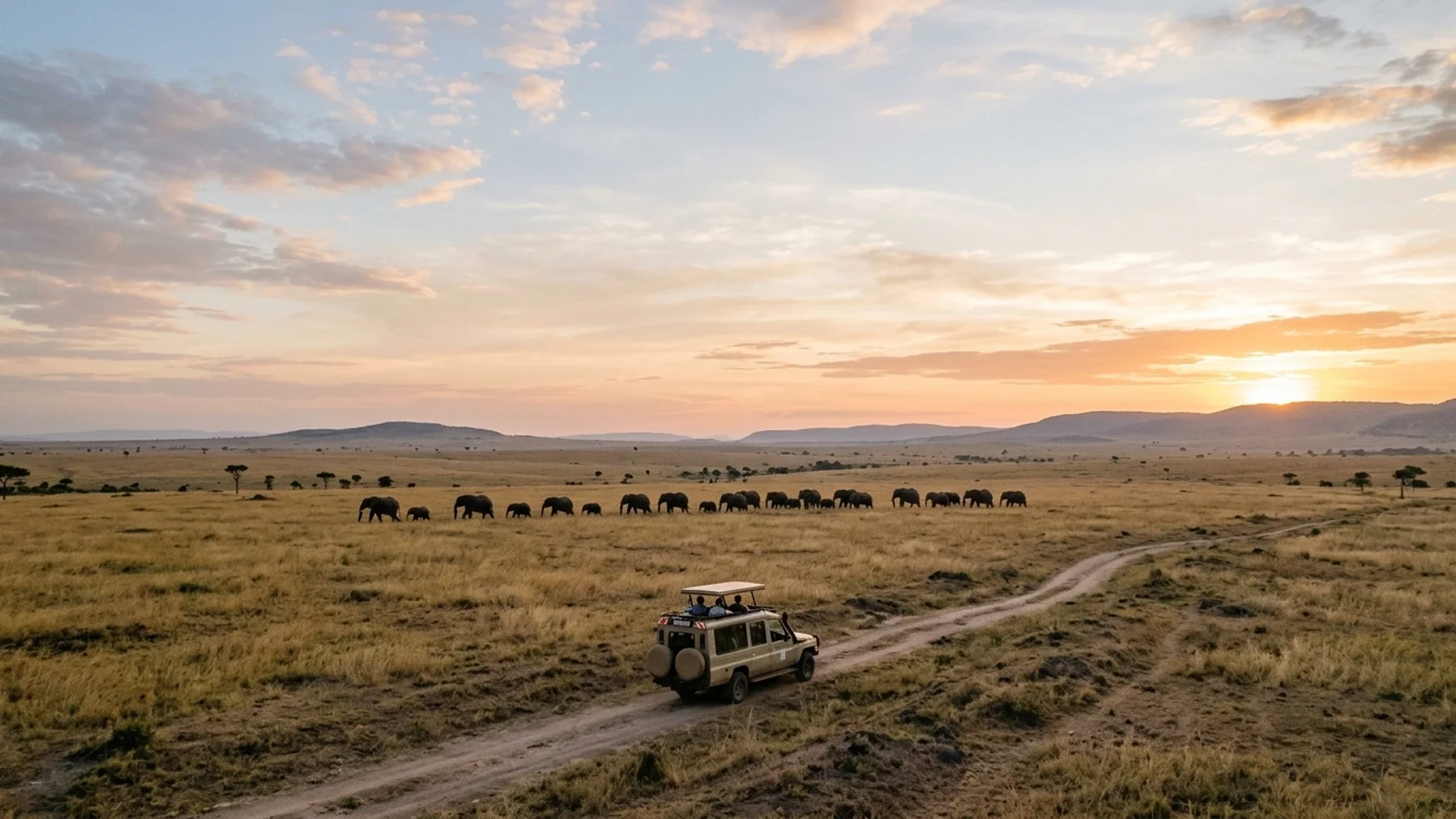
The "Big Five" was never a list of the best animals to watch. The lion, leopard, rhino, elephant and buffalo were grouped together by big-game hunters more than a century ago for one reason... they were the five hardest and most dangerous animals to shoot on foot. The phrase that now sells safaris began life as a score sheet. It is worth knowing that before you set out to complete one.
We have been watching how clients want to travel to the bush, and the appetite for the checklist is quietly fading. Safari itineraries through American luxury advisors rose by around twenty-two per cent year on year, according to SmartFlyer's 2026 Travel Trends report. The number is rising. The trips behind it look less and less like the old circuit.
—
The Old Way and the New
The old way was a kind of pursuit. Three or four parks in a week, long transfers between them, a guide under pressure to find all five animals before you flew home, and a sighting that meant a dozen vehicles drawn up around one tired lion. You came back with the list ticked and very little time spent actually looking.
The new way slows down. The Africa Travel and Tourism Association, in its 2026 trends report, describes a shift away from what it calls nature on demand toward deliberate, more embedded experiences. Fewer places, longer stays, private conservancies over crowded national parks, and operators chosen for what they protect rather than what they promise.
'The phrase that now sells safaris began life as a score sheet.'
—
Why Fewer Is More
The quiet safari is not a sacrifice. It is usually the better seat. Botswana built an entire tourism model on the idea, holding lodge numbers, bed counts and vehicle density deliberately low across the Okavango Delta so the wildlife is never ringed by engines. On many private concessions a sighting is held to two or three vehicles. Sometimes it is held to one.
That one vehicle is the whole argument. A leopard watched by a single quiet car for an unhurried hour is a different memory from the same leopard glimpsed between strangers' shoulders. You begin to see behaviour rather than just the animal. The morning stops being a search and becomes a long act of attention.
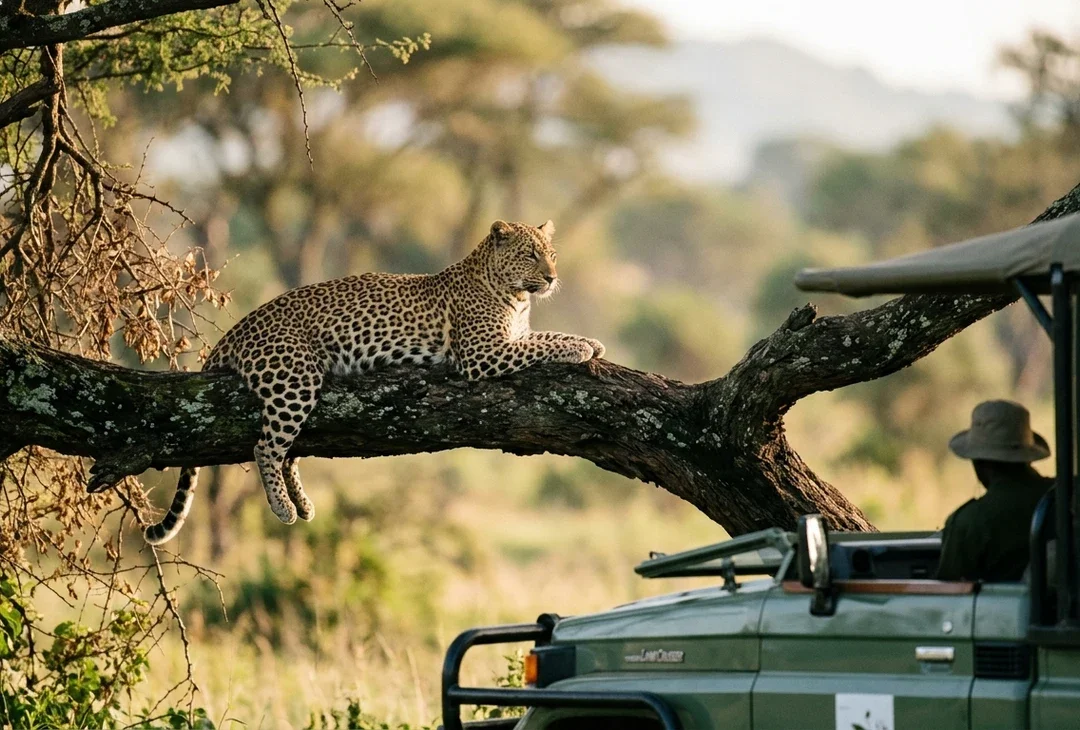
'A morning in the bush should leave you fuller than it found you.'
—
The Considered Way
This is the same thread we keep pulling at, whether the subject is a long lunch in a wine valley or a slow morning in the bush. Travel that collects less and notices more. A morning in the bush should leave you fuller than it found you, not breathless from chasing a list someone else wrote.
The safari is not going anywhere. The reason for going on one is simply growing up. Fewer animals, watched properly, in a place that does not need to be shared with twelve other vehicles. That is the version we plan, and the version the data says more people are quietly choosing.
Come find us at No.82.
hello@agentnouveau.com