
Follow the Light
On the shortest day of the year, Bournemouth gets close to eight hours of daylight. By the June solstice the same stretch of coast holds close to sixteen and a half hours, roughly double, the sun up before five and not down until gone nine. You will not notice the gap opening in August, while the evenings are still long enough to eat outside and the light lasts past dinner without anyone thinking about it. You will notice it in November, reaching for a lamp at four in the afternoon, wondering what happened to the day.
We have been thinking about this because August is when the deciding happens, whether anyone means it to or not. Not because January is running out; nothing about it is. Because there is a stretch of a few weeks, right now, when you can still choose calmly what your winter is going to feel like, rather than reacting later to whatever is left once the light has already gone and the decision starts to feel urgent instead of considered. What goes first, without anyone noticing it happening, is not availability. It is the time to think a choice through instead of making it in a hurry.
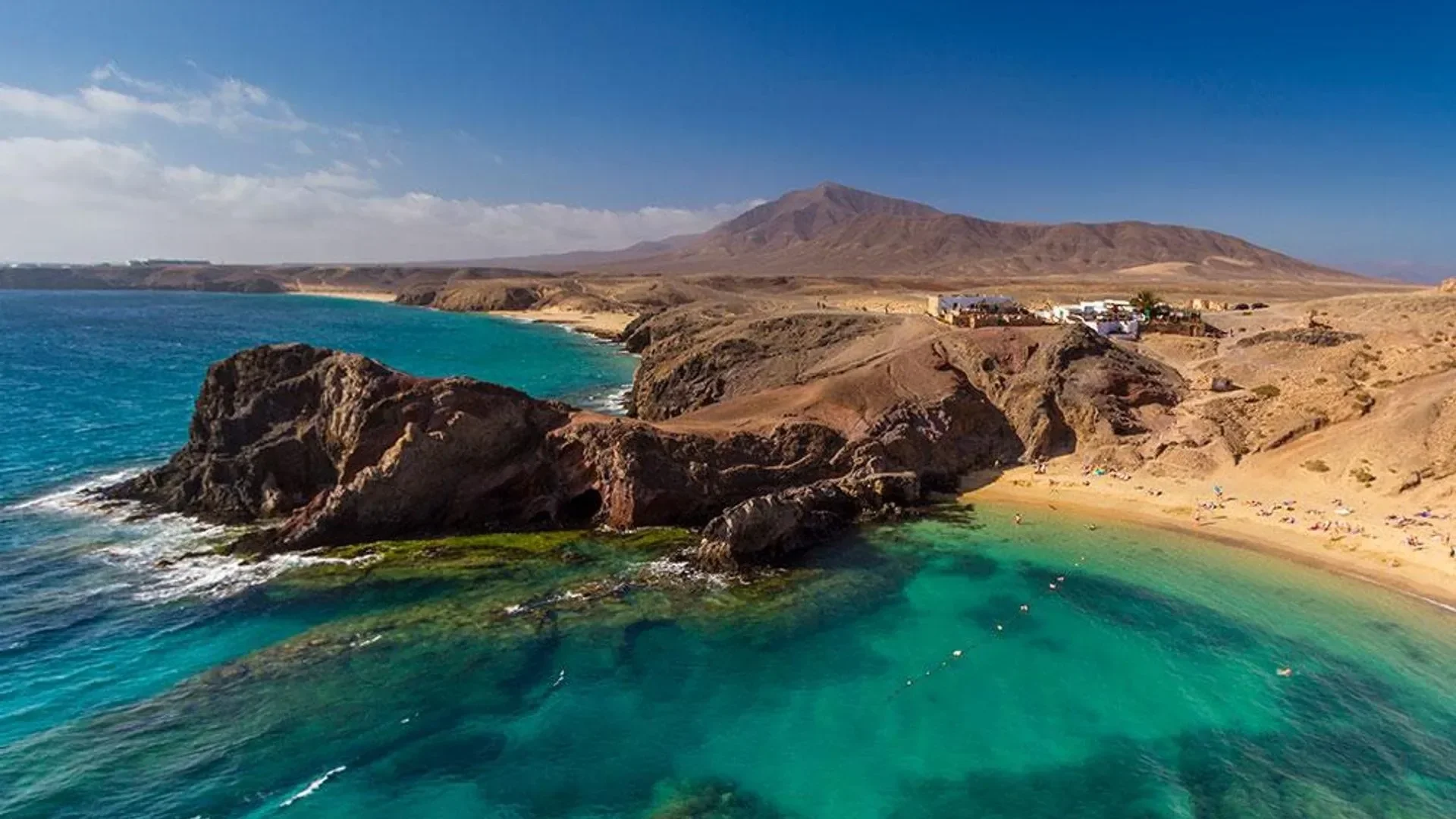
What the Light Does
None of this is about January weather so much as it is about daylight itself, and what a shortage of it does to people across a British winter is something the NHS is fairly plain about. Seasonal affective disorder, SAD, is described as a type of depression that usually happens in the winter months, thought to be linked to reduced daylight and the effect that has on the brain chemicals that govern mood and sleep. The NHS's own advice for managing it is almost disarmingly simple: get as much natural daylight as you can, every day that you can get it.
We are a travel boutique, not a clinic, and we are not about to tell you that a fortnight somewhere sunny treats anything. It does not, and we would never claim it did. But there is a plainer point sitting underneath the medical one, and it does not need a diagnosis to be true: light is not evenly spread across the calendar, or across the map, and choosing where you stand in relation to it is one of the more useful decisions available to anyone in August.
'Light is not evenly spread across the calendar, or across the map, and choosing where you stand in relation to it is one of the more useful decisions available to anyone in August.'
Choosing, Not Chasing
There is a difference between chasing the sun and choosing it. Chasing it looks like a flight booked in a low moment in November, a fortnight spent trying to catch up on rest that should have been planned for months earlier, a holiday that arrives already a little late for the job it was supposed to do. Choosing it looks like deciding, calmly, in August, what January is going to feel like, and then building toward that on your own timeline rather than whatever happens to still be available once everyone else has decided too.
This is not an argument for booking early because it is cheaper. It usually is not, and we will not pretend otherwise; the industry's own advice on hotel pricing points the other way as often as not. It is an argument for the decision itself, for your destination, the length of your stay, the shape of your days, being something arrived at on purpose, with room to think, rather than something fallen into because the good options had already gone. One of those is a choice. The other is a scramble that happens to end somewhere warm. It is a conversation we have often, this time of year, at No.82.
'One of those is a choice. The other is a scramble that happens to end somewhere warm.'
How We Plan Around It
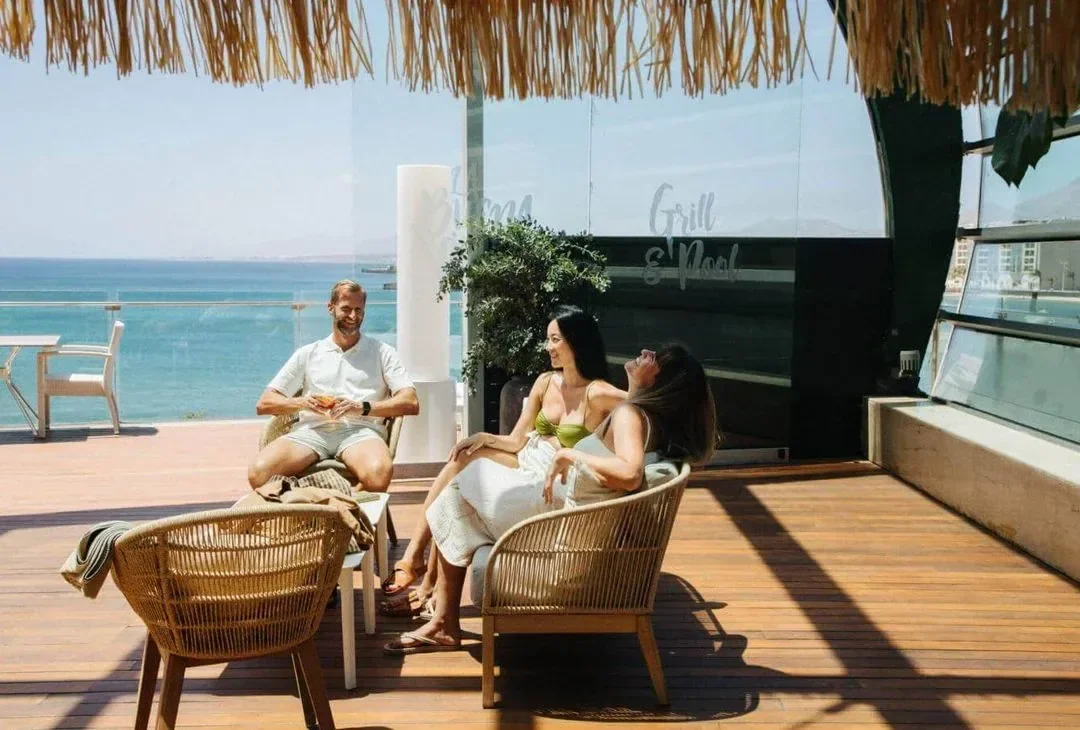
In practice, that means asking a different question than most itineraries start with. Not only where is warm, but where the light itself is doing something worth being near. On the same December day that Bournemouth gives you close to eight hours, Tenerife in the Canary Islands holds a little over ten: two and a half hours more, low and gold rather than grey and gone by four. The Canary Islands are one answer, not the only one, but a close and useful example of what changes when you move a few degrees south for a few weeks in the darkest stretch of the year.
We build January itineraries around this the way we build any of them. A hotel that catches the morning instead of one that only photographs well in a brochure. A pace with room left in it, not every day accounted for before you have landed. Evenings that do not start at four in the afternoon, because the light already has. It is a different way of planning a holiday than picking a destination off a list, and it tends to produce a better one, a January that gives something back rather than one you are trying to survive until spring.
'It is a different way of planning a holiday than picking a destination off a list, and it tends to produce a better one.'
None of this needs deciding today. It needs deciding sometime this month, while there is still room to think it through rather than grab at what is left. That is the whole difference between a holiday you chose and one you settled for, and it is decided in August far more often than anyone realises in November.
Come and Choose It
So when someone comes to No.82 in August asking about January, we do not start with a map. We start with the light: how much of it you are getting now, how little you will have by November, and what a few weeks somewhere brighter would give back. Not a bargain. Not a rescue. A decision made early enough to be made calmly, about a version of winter that holds close to eight hours of grey.
Come find us at No.82.
hello@agentnouveau.com