
Where The Mountains Meet The Cretan Sea
—
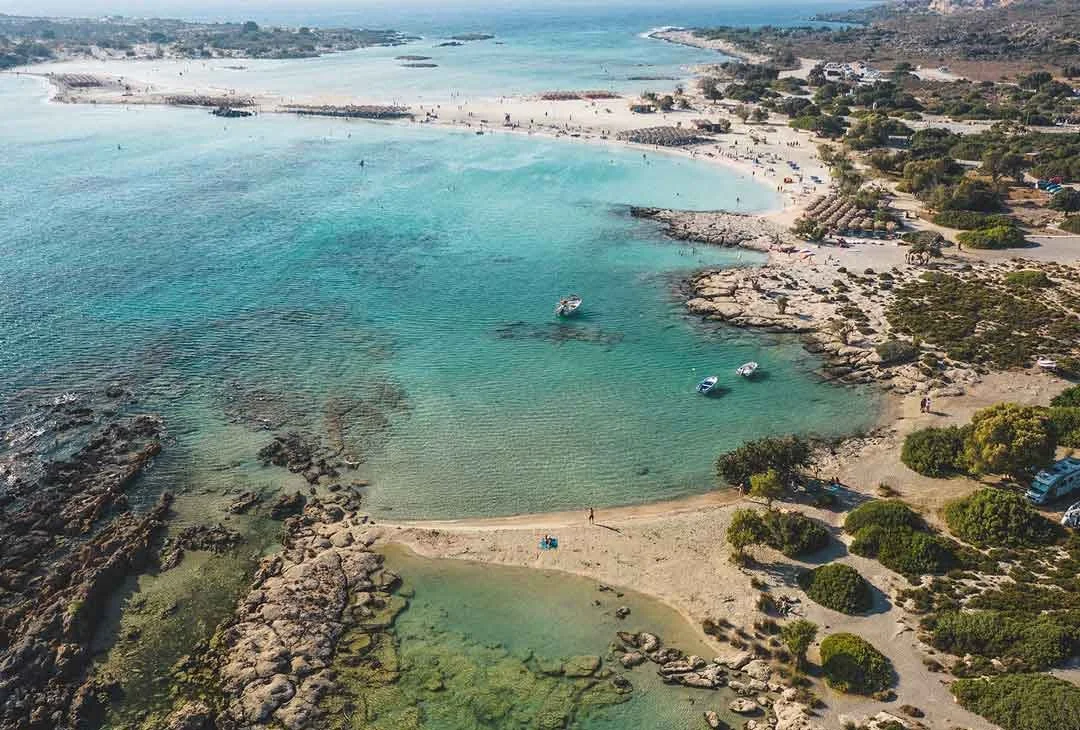
There is a bay on the northwest coast of Crete where the landscape has not changed much in a thousand years. Kissamos sits at the edge of it. A former fishing village, known for its wines and olive oil, where the mountains descend to a coastline of unspoiled sand and the water holds that particular shade of Aegean blue that no screen has ever captured properly.
Behind the village, the terrain rises into gorges and highland plateaus. Samaria, one of Europe's longest gorges, cuts through the White Mountains to the south. To the west, Balos Lagoon, a stretch of water so shallow and clear it looks like someone painted it, is reachable only by boat. Falasarna, on the far tip of the coast, is regularly ranked among the finest beaches in Europe and remains blissfully uncrowded.
Crete has been drawing travellers for thousands of years. The Minoans built palaces here before most of Europe had permanent settlements. The Venetians left fortresses and harbour towns. The Ottomans added mosques and hammams. Chania, forty-five minutes east along the coast, still carries all of these layers in its streets, its architecture, and its food.
This is not Santorini. It is older, deeper, and considerably less interested in being photographed.
—
The First Ikos on Crete
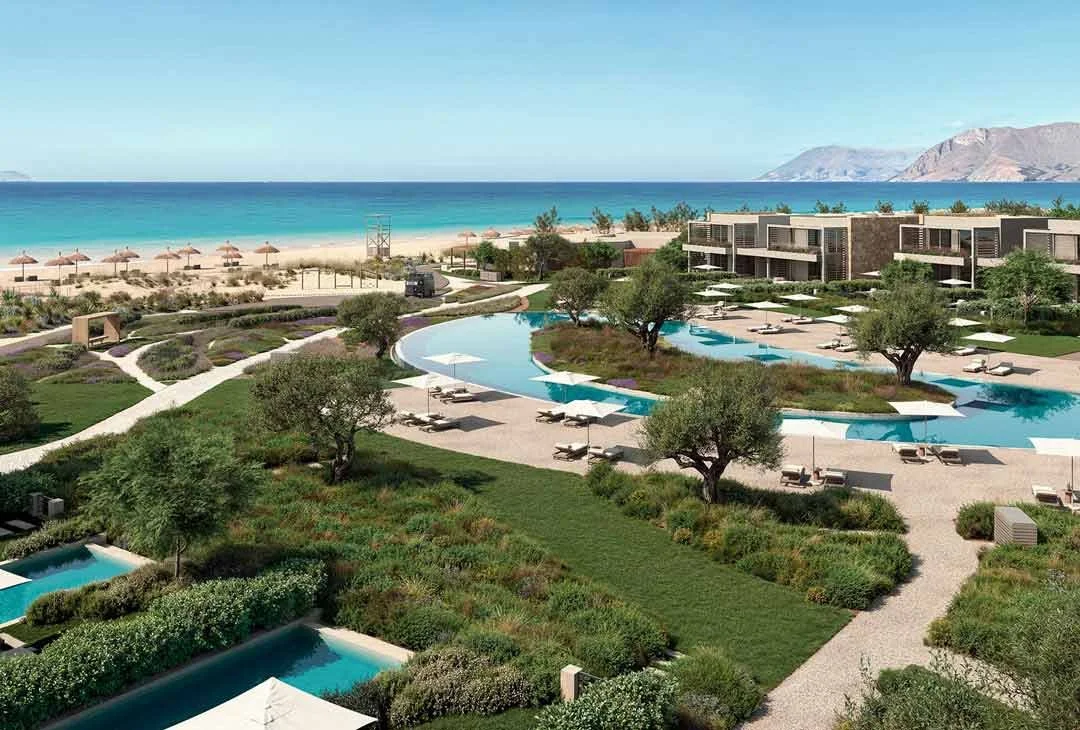
On April 30th, Ikos Kissamos opens for the first time. It is the brand's first property on Crete and their most ambitious project to date. A 150 million euro investment across 53 acres of beachfront gardens on Kissamos Bay.
The Ikos model has been quietly rewriting what all-inclusive means in the Mediterranean. Seven gourmet restaurants with menus designed by Michelin-starred chefs. Fine wines included, not charged as extras. A fleet of electric Minis for guests to explore the island on their own terms. A partnership programme called Dine Out that gives guests complimentary access to hand-picked local tavernas beyond the resort. Spa by Anne Semonin Paris. Daily yoga, Pilates, meditation. Padel courts, watersports, and a beach that stretches the full length of the property.
This is not the all-inclusive you remember from package holidays. It is closer to what would happen if a boutique hotel and a luxury resort had a conversation and agreed on everything.
'The 53 acres are not decoration. They are designed to be walked through, sat in, and lived with'
—
The Design
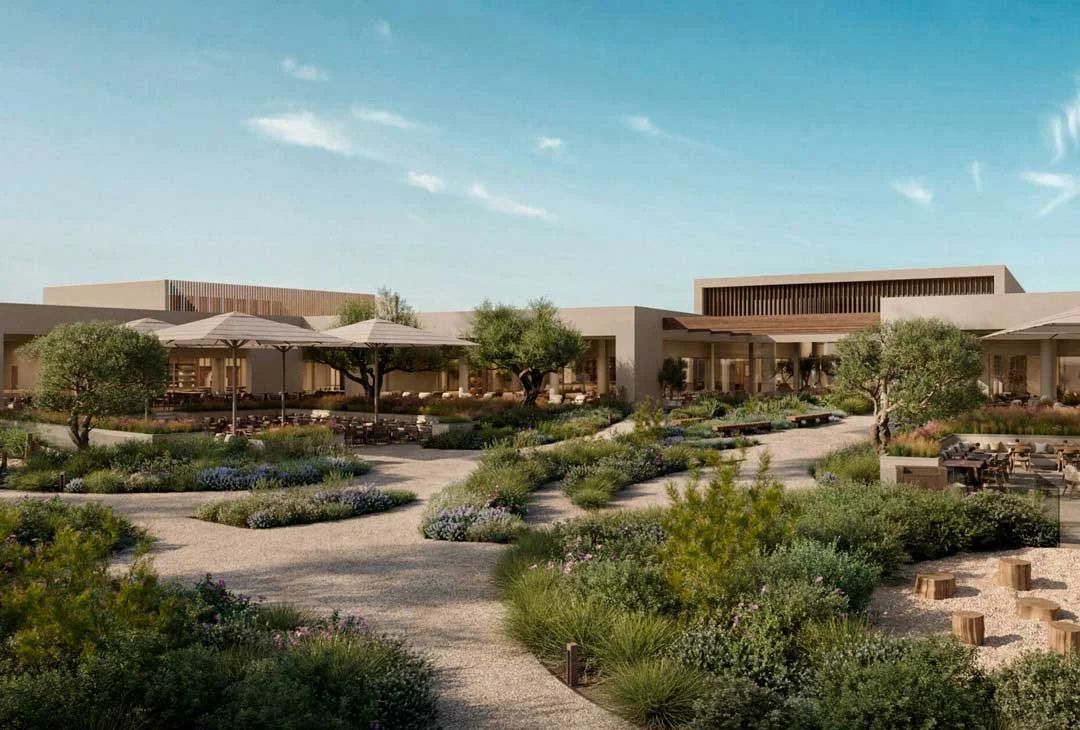
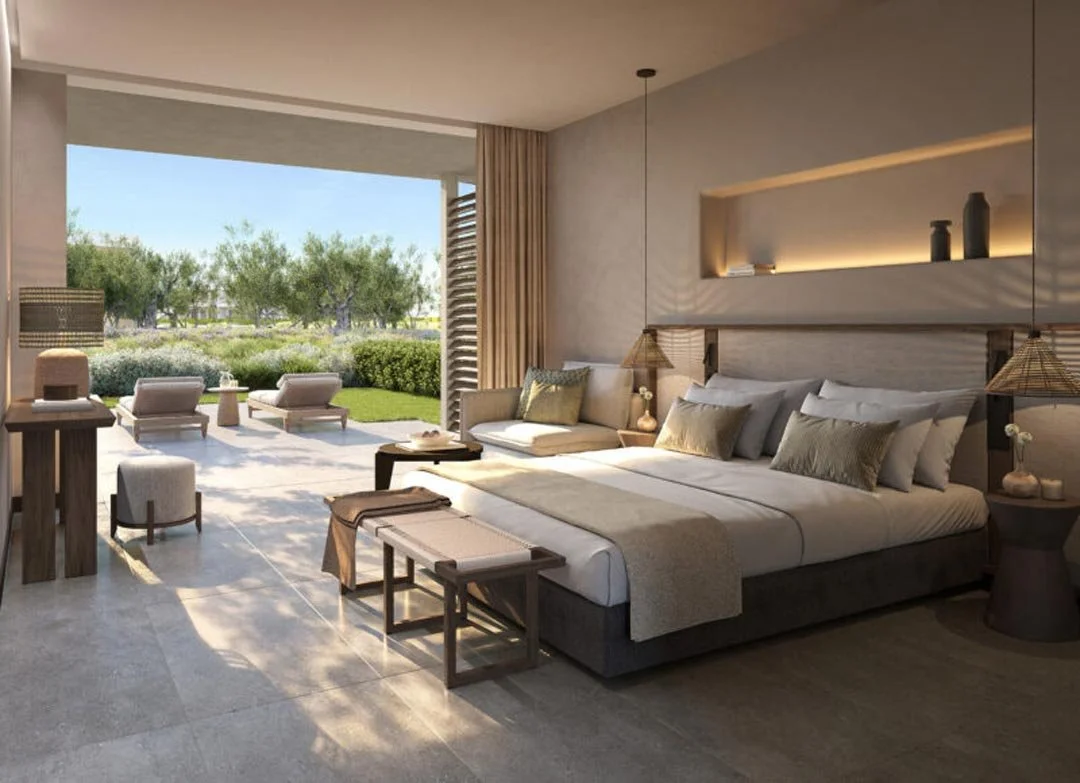
The architecture takes its cues from Crete itself. Minoan motifs. Mediterranean warmth. Natural materials. The 414 rooms and suites are thoughtfully arranged so that indoor and outdoor spaces flow into each other without interruption. Balconies face the sea or the gardens. Some suites have private pools. The Deluxe Collection offers an elevated tier with dedicated concierge and additional access.
The landscape design is worth noting. Lavender mazes with butterflies. Shaded olive groves. Rain gardens built to teach sustainability without making a show of it. Sensory gardens for children to explore. The 53 acres are not decoration. They are designed to be walked through, sat in, and lived with.
Ikos is pursuing LEED Gold certification for the build. Their sustainability commitments include a net-zero carbon plan for 2030, elimination of single-use plastics, full water reuse, and organic waste composting. For travellers who care about where their money goes, the environmental story here is solid.
'If Greece has been on the list, or if Crete has been calling for a while, this is well worth knowing about'
—
The Table
Seven restaurants. Each one a different culinary direction.
Kriti focuses on Cretan cooking. Ancient recipes, island-fresh ingredients, food that has been passed down through families for generations. La Plage serves Mediterranean dishes on the beach. The remaining restaurants cover Italian, Asian, and international menus, all using locally sourced produce where possible.
Cretan food deserves its own mention. This is cuisine rooted in the Mediterranean diet in its most authentic form. Wild greens foraged from the hillsides. Olive oil pressed from groves that have been producing for centuries. Cheese made by hand in mountain villages. Honey from thyme-covered slopes. Lamb slow-cooked in clay pots. The island's food culture is older than most European nations, and it tastes like it: deep, unhurried, and connected to the land.

—
For the Curious
Ikos Kissamos opens this month. For travellers who have done Santorini and Mykonos and want something with more depth, more landscape, and more history, western Crete is the answer. And this is the most considered property to arrive there in years.
If Greece has been on the list, or if Crete has been calling for a while, this is well worth knowing about.
Come find us at No.82.