
The Caribbean Has More Geography Than Reputation
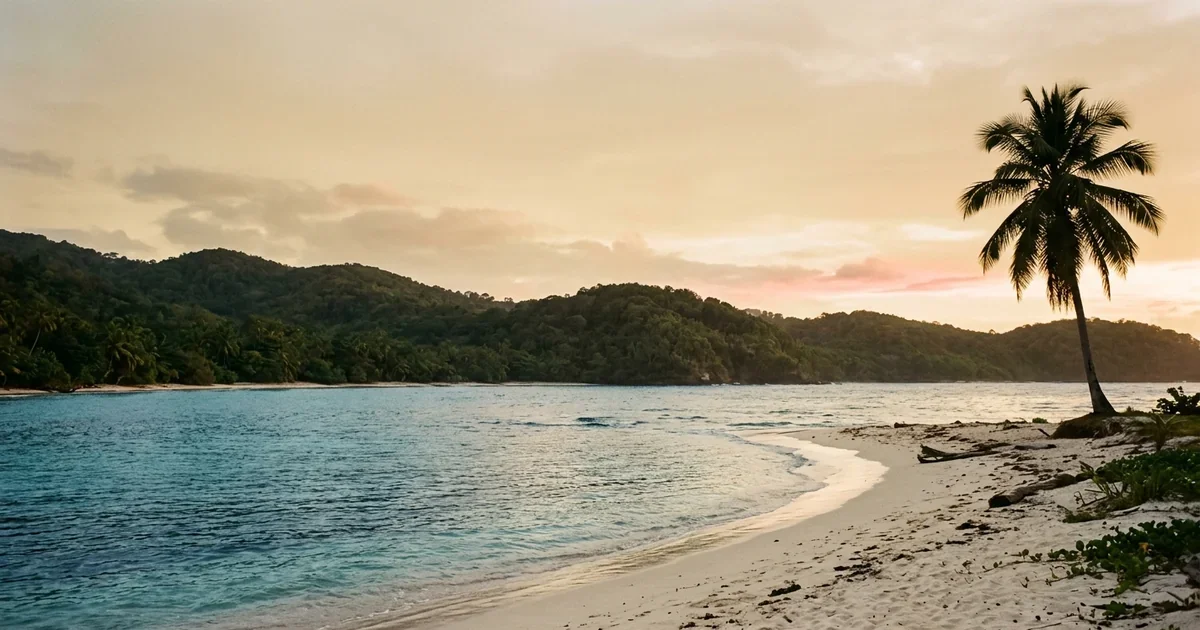
There are roughly seven thousand islands in the Caribbean. Most of them are uninhabited. About thirty of them are sovereign nations or self-governing territories. The trade press, the cruise brochures, and the wider travel conversation routinely circle around the same dozen. The region has spent thirty years being catalogued more narrowly than it deserves.
We have been thinking about this in the context of how clients increasingly want to travel. Not faster. Not further. Not in the same dozen places everyone else has been. The Caribbean is a region with more geography than reputation, and the gap between the two is where the editorial work sits.
— The catalogue problem —
The Caribbean has been over-described in the cheaper directions and under-described everywhere else. Bahamas means Atlantis. Jamaica means all-inclusive. Barbados means the west coast. Antigua means three hundred and sixty-five beaches, one for every day of the year, which is a line a press officer wrote in 1972 and the trade has been repeating ever since.
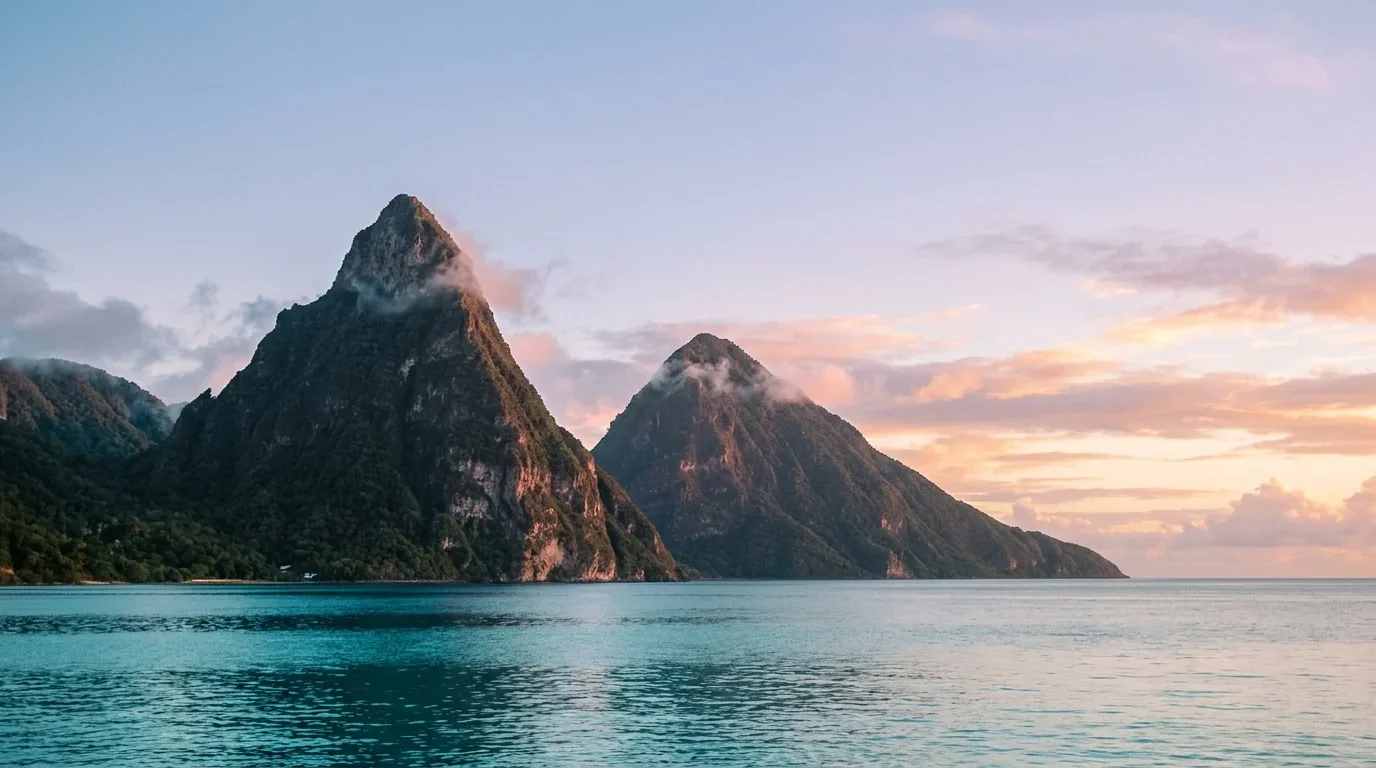
What the catalogue version misses is the texture of the place. St Lucia's interior is a folded volcanic landscape with sulphur springs, cocoa estates, and a botanical garden older than most American cities. Martinique has a thirty-mile coastline of black-sand beaches, French boulangeries, and the rum distilleries that quietly produce some of the world's best agricole. Trinidad has a literary heritage that has produced two Nobel laureates and a Carnival that operates closer to a city-wide art project than a tourist attraction. Dominica, the island most travel directories forget exists, has nine active volcanoes, the world's second-largest hot lake, and a hiking trail system that runs the entire length of the island.
None of this is hidden. It is sitting in plain view, in a region the conversation has decided is something else.
— What boutique travel does with this —
A boutique brief on the Caribbean does not start with the resort. It starts with the question of which island, and why. The answer changes everything that follows. A client who wants reef and stillness has a different shortlist from a client who wants food and music. A multi-generational booking goes one direction; a wellness-led couple's week goes another. The geography is the brief.
We typically work with five or six island combinations for clients who want to see more than one place. Antigua paired with Barbuda, for the pink-sand stretches on the smaller island and the more developed sister resort across the channel. St Lucia paired with Martinique, for the language and food contrast inside a forty-minute ferry. Trinidad paired with Tobago, for the urban and the reef in the same booking. The combinations are not new. The point is that they exist, and that the brochures rarely lead with them.
— The supplier layer —
The other reason the catalogue has stayed flat is the supplier layer. Large operators sell the geography that produces volume. The boutique island groupings sell in much smaller numbers, and the brochures get built around the volume. This is not a criticism of the operators. It is the economics of distribution working as economics of distribution does.
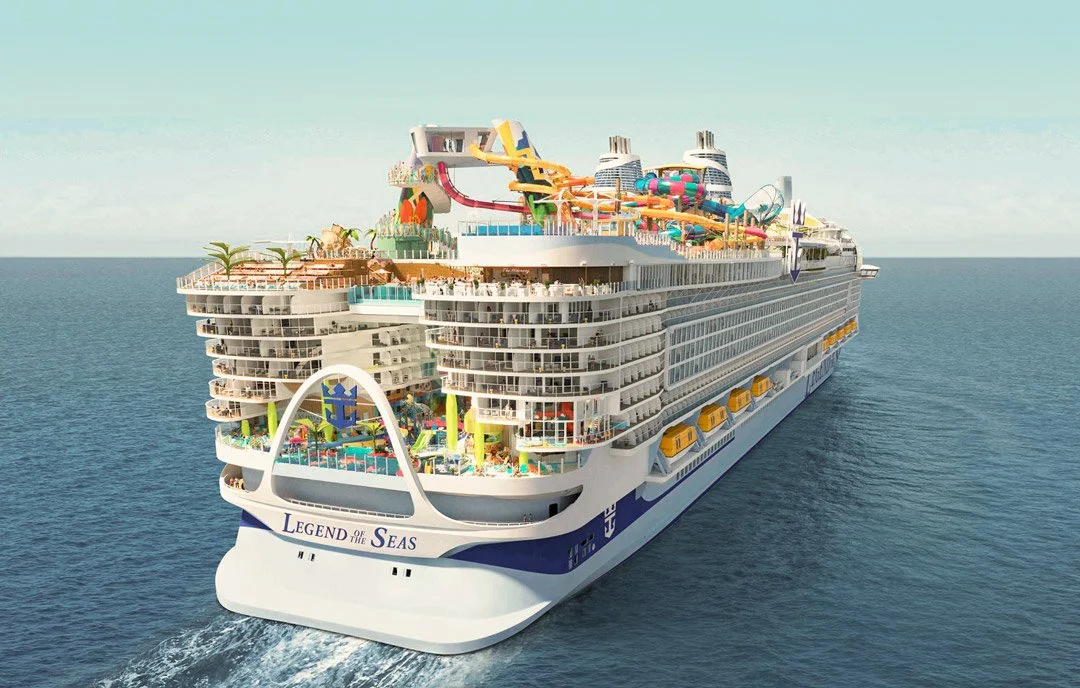
What it means in practice is that the deeper Caribbean tends to be carried by smaller specialists and by the lines that have spent decades building itineraries rather than packages. Royal Caribbean is one of those lines on the cruise side. The brand sells the headline geography in volume, and that is the visible part of the programme. The less visible part is the itinerary structure: seven-night routes that drop into the smaller ports, the private destinations developed for repeat guests, the European programme that uses cruise as transit infrastructure rather than as a holiday in itself.
'The Caribbean has been over-described in the cheaper directions and under-described everywhere else.'
— The cuisine question —
Food is the way most clients first feel the layering. Caribbean cuisine reads as a single category to outsiders and as several distinct traditions to anyone who lives there. Jamaican jerk is not Bahamian conch. Trinidadian roti is not Cuban ropa vieja. Martinique boudin créole sits closer to the French southwest than to anywhere else in the region. The food map is a faster route into the geographic map than any other lens.
The Royal Caribbean afternoon tea at No.82 on Monday 19 May leans into this. Our Caribbean chef has built a menu that mirrors the geography of the line's itineraries. Curried goat from the south. Saltfish from the Bahamian north. Cinnamon plantain from Cuba and Puerto Rico. Jerk wings from Jamaica. A Signature Rum Punch Tea that runs through the afternoon as the connecting thread. Twelve seats, three hours, an editorial conversation across the region with someone from Royal Caribbean in the room.
— What we tell clients —
The Caribbean is not one trip. It is a category that contains forty distinct trips, and the work of an editor is choosing which one belongs to which client. The headline geography is fine. There is nothing wrong with Barbados or Antigua or the cruise route through St Maarten. What we tend to ask first is whether the client has been before, what they remember, and what they would do differently. The answer almost always points away from the catalogue version.
For the clients who want to test a less obvious island before committing a full holiday to it, the cruise route is often the gentlest entry point. A seven-night itinerary calling at four or five islands is a tasting menu in shipping form. The afternoon at No.82 next Monday is partly a conversation about how that tasting menu works.
Twelve seats. £37 per guest. If you would like to sit at the table and talk through any of this, drop us a line.
Come find us at No.82.
hello@agentnouveau.com