
The Palace Between Sky and Sea
—
In May 1880, a carriage from Naples climbed the winding road up to Ravello. It was a long journey in those days. Five hours of hairpin bends above the Amalfi coastline, the Mediterranean appearing and disappearing between limestone cliffs. When the carriage stopped in Piazza Duomo, out stepped Richard Wagner.
He walked into the gardens of Villa Rufolo, looked out over the terraced hillside falling away to the sea, and declared he had found the enchanted garden of Klingsor, a setting from the opera he was writing at the time. That garden inspired one of the most celebrated scenes in Parsifal. And in 1953, the town founded a music festival in his honour that still runs every summer, with orchestras performing on an open-air stage that juts out over the coastline as the sun goes down.
Ravello has been doing this to people for centuries. Making them stop. Making them stay.
—
A Town That Sits Above It All
The Amalfi Coast is one of those stretches of coastline that needs no introduction. The towns of Positano, Amalfi, and Sorrento cling to the cliffs below, connected by roads that twist through lemon groves and tunnel through rock. Ferries cross to Capri. Vesuvius watches from across the bay.
But Ravello is different. It does not sit on the coast. It sits above it. Over 300 metres up, perched on terraces carved into the mountainside, looking down on everything. It is quieter than the towns below. More considered. The air smells of citrus and stone and something floral that you cannot place.
The Piazza Duomo is the heart of it. A 900-year-old cathedral on one side, ceramic-tiled steps on the other, and a handful of restaurants with tables set under linen awnings. In the evening, the light turns the limestone walls a particular shade of amber that photographers spend hours trying to capture and never do.
There are no beach clubs here. No marina traffic. What Ravello offers instead is a different tempo. A place where the view is the main event, and the food, the music, and the company are reasons to linger.
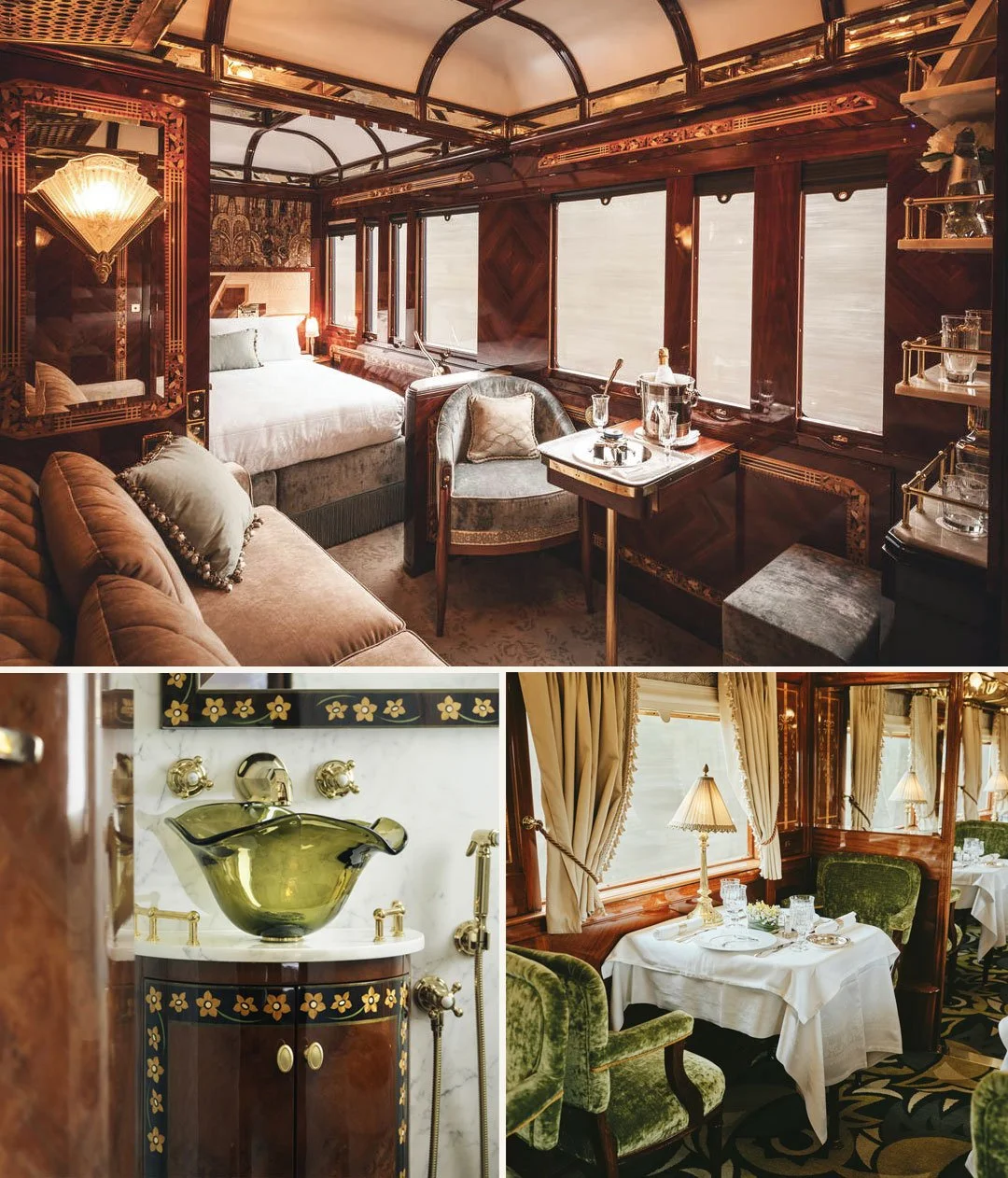
'The grand suites are the most expansive: a bedroom, living area, private marble bathroom, dedicated steward, and champagne that does not stop'
—
Belmond Hotel Caruso
The Caruso started life as an 11th-century palazzo, built by a patrician Roman family on the highest point of Ravello. Over the centuries it hosted artists, aristocrats, writers, and eventually a composer or two. Greta Garbo stayed. So did Humphrey Bogart. The walls hold more stories than any guidebook could contain.
Belmond restored the palazzo and reopened it in 2005, keeping the original frescoed ceilings, the Renaissance vaults, and the medieval bones of the building while adding the quiet comforts that a property of this level demands. There are 50 rooms and suites, each one different in shape and character, most of them facing the sea.
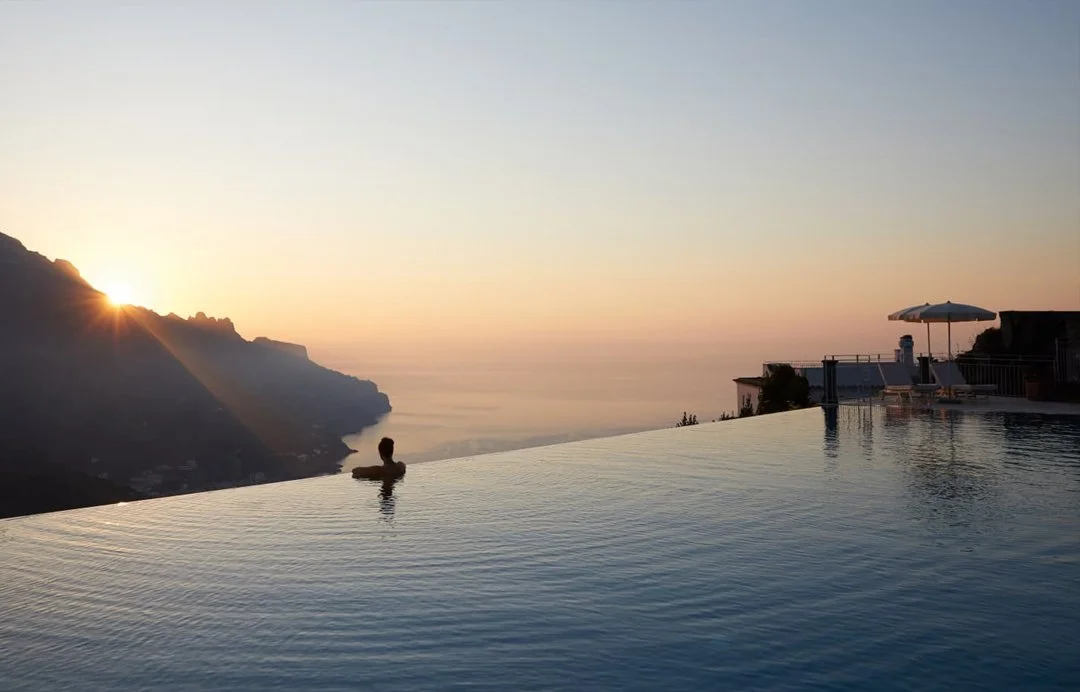
The infinity pool is the one you have seen in photographs. It sits at the edge of the clifftop, level with the horizon, so the water appears to spill directly into the Mediterranean below. It is one of those images that looks impossible until you stand beside it.
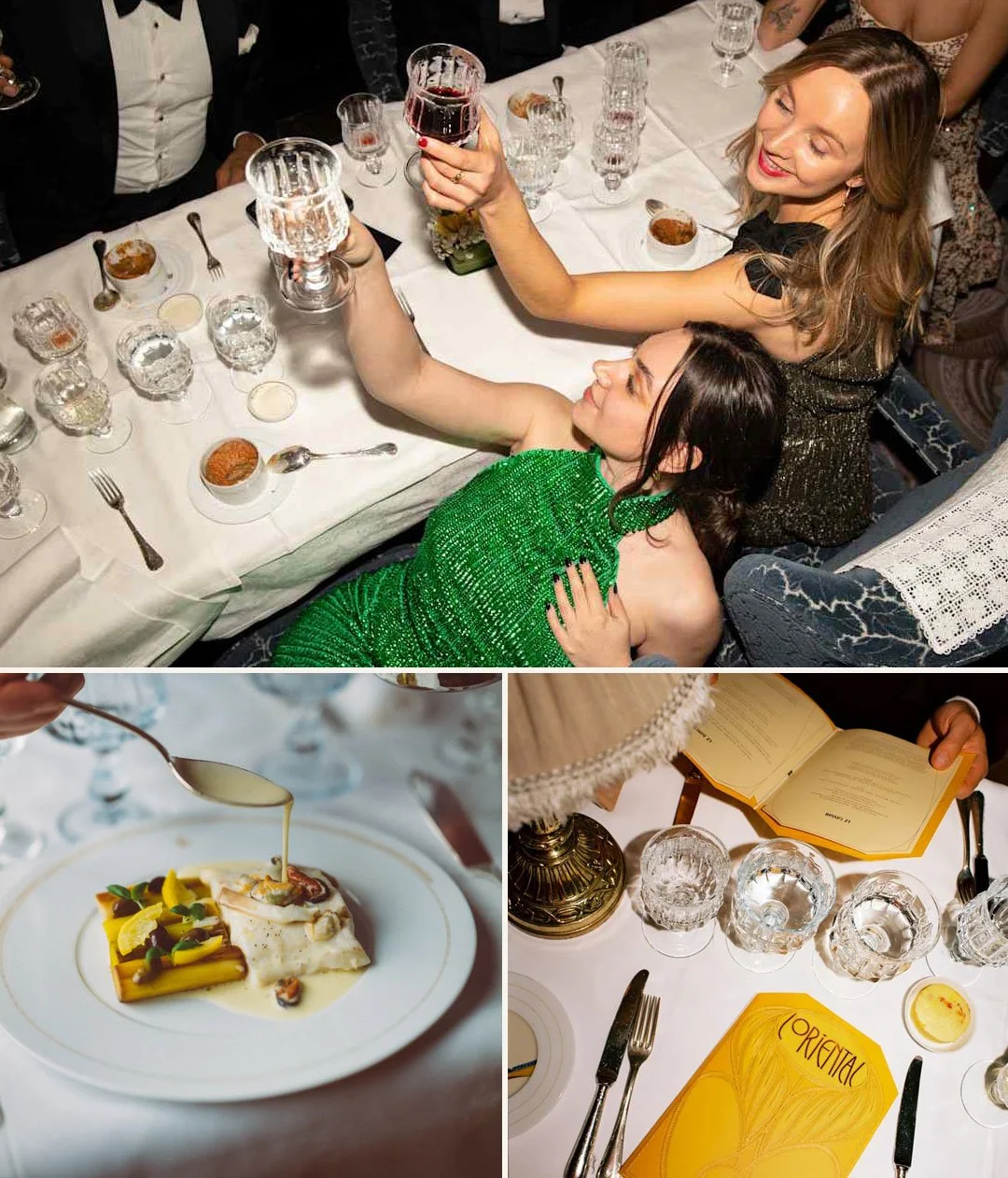
But the Caruso is not a hotel you visit for a single feature. It is the gardens, terraced with bougainvillea and lemon trees, where the scent changes depending on where you stand. It is the Belvedere Restaurant, where the menu follows the seasons and the ingredients come from the coast and the hills behind it. Fresh pasta made by hand. Fish from the morning catch. Lemons from the groves that surround the property, ending up in everything from the granita to the dressing on a plate of burrata.
It is also the boat. Each morning, the hotel's traditional wooden vessel, Ercole, takes guests along the Amalfi coastline. Hidden coves. Swimming stops in water so clear you can count the stones on the seabed. Two and a half hours of coastline that most visitors only see from the road above.
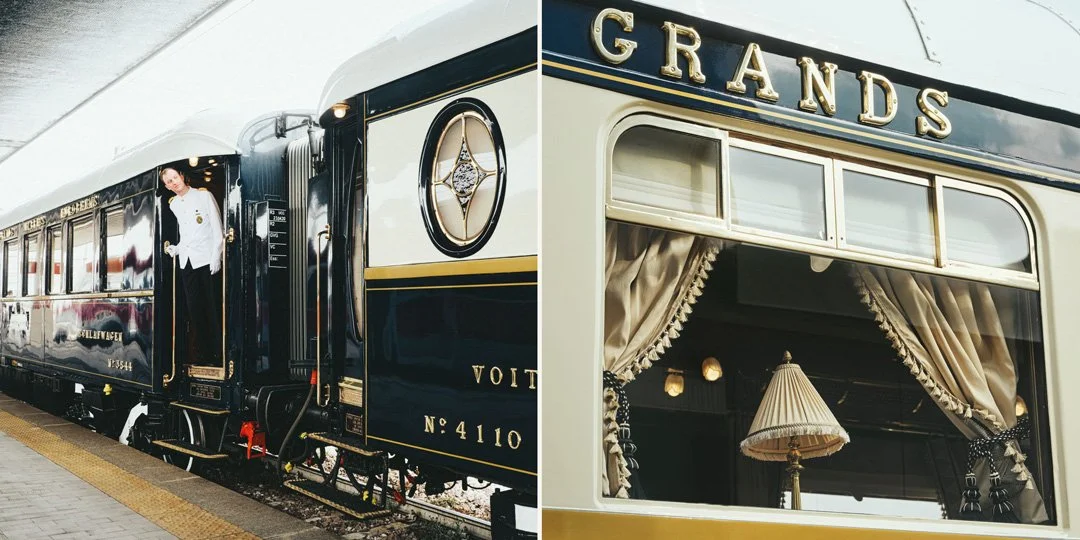
'Today, the passengers are travellers who understand that the journey itself can be the destination'
—
The Lemon Groves and the Table
The Amalfi Coast has its own lemon. The Sfusato Amalfitano is larger and more fragrant than the varieties you find elsewhere in Italy, with a thick, aromatic peel and a sweetness that comes through in everything it touches. The terraced groves that produce them have been here for centuries, carved into the mountainside and held together by dry stone walls.
At the Caruso, the lemons are part of the story. They appear in the cuisine, in the limoncello served after dinner, in the scent that drifts through the gardens on warm evenings. Belmond offers guided walks through the groves for guests who want to understand how they grow and why they taste the way they do.
The food along this coast is deceptively simple. Pasta with fresh tomatoes and basil. Grilled fish dressed with olive oil and lemon. Mozzarella so fresh it still holds its warmth. The skill is in the sourcing, the timing, and the restraint. Nothing is overworked. Nothing needs to be.
—
For the Drawn to Detail
The Amalfi Coast attracts travellers who notice the way light falls on a terrace wall, who care about the difference between one olive oil and another, who would rather eat at a family-run trattoria than a hotel restaurant but appreciate having both options.
Ravello, and the Caruso in particular, is for the traveller who treats the whole thing as a form of paying attention. Where you go matters. Where you stay matters more. And the details, the frescoed ceiling above your bed, the lemon in your glass, the sound of an orchestra drifting up from Villa Rufolo on a summer evening, those are the details that stay.
If slow travel and beautiful places matter to you, this one belongs on the list.
Come find us at No.82.